
Stepping into a home where warmth spreads evenly on a chilly winter morning feels welcoming, without cold drafts sneaking through doors. That’s the draw of a duct heating system. It pushes heated air through vents hidden in ceilings or floors, creating consistent comfort across rooms. In Australia, with our crisp southern winters and focus on cozy indoor living, many consider a duct heating system for reliable warmth.
Before committing to installation, knowing the full picture helps avoid regrets. This guide breaks down what a duct heating system involves, from how it operates to real-world fit in our homes. It covers advantages, potential downsides, setup details, and local factors that shape decisions. You’ll gain insights to determine if a duct heating system matches your needs, ensuring your space stays comfortable year-round.
What Is a Duct Heating System?
A duct heating system, often called ducted heating, uses a central unit to warm air and distribute it via a network of ducts to vents throughout the house. The system draws in cool air, heats it over coils or elements, and circulates it quietly, maintaining steady temperatures.
This setup suits larger homes or multi-level buildings, providing whole-house coverage without bulky units in every room. In our open-plan Australian designs, a duct heating system blends seamlessly, supporting family gatherings without uneven spots.
How a Duct Heating System Works
The process starts at the central heater, typically in the roof or floor cavity. Air passes over heated elements, warms up, and travels through insulated ducts to outlets.
Key components:
- Central furnace or heat exchanger for warming
- Duct network branching to rooms
- Vents or diffusers for controlled release
- Thermostat for temperature regulation
- Return air paths to cycle fresh air
In Australia’s variable weather—from frosty Tasmanian nights to mild Perth days—a duct heating system adjusts output to match demands. Regulations under the National Construction Code require proper insulation in ducts to prevent energy loss, ensuring efficient operation.
Types of Duct Heating Systems
Options vary by fuel and design, fitting different home styles:
- Gas ducted: Uses natural gas for quick heating, common in connected areas
- Electric ducted: Relies on power, suitable for all-electric homes
- Reverse cycle: Combines heating and cooling in one system
- Hydronic: Circulates hot water through ducts for gentle warmth
Local preferences lean toward gas in cooler states like Victoria, while reverse cycle gains traction nationwide for dual use. Competitors offer variations, but a duct heating system remains versatile for retrofits or new builds.
Advantages of a Duct Heating System
A duct heating system excels in delivering broad, even warmth that feels natural. It eliminates the need for separate heaters, simplifying control from one point.
For families, this means no fighting over room settings—everyone stays comfortable.
Even Distribution and Comfort with Duct Heating Systems
Air flows quietly through hidden vents, avoiding hot spots or noise from fans. Zoning options let you heat only used areas, like living rooms at night.
Benefits include:
- Consistent temperatures room to room
- No visible units cluttering aesthetics
- Gentle airflow that doesn’t stir dust
- Integration with smart controls for scheduling
In Australian homes with high ceilings and open layouts, a duct heating system maintains balance during gatherings. Cultural habits of indoor entertaining make this even coverage valuable, especially in rainy winters.
Energy and Long-Term Value in Duct Heating Systems
Modern designs focus on efficiency, using sealed ducts to minimize leaks. Paired with insulation, they reduce heating needs over time.
Additional upsides:
- Lower energy use compared to multiple portable units
- Durability in our dry indoor climates
- Potential for air filtration to improve quality
- Seamless addition to existing central systems
Examples from Sydney renovations show a duct heating system cutting winter bills by focusing heat where needed. Providers emphasize compliance with energy standards, helping homeowners meet sustainability goals.
Potential Drawbacks of a Duct Heating System
While effective, a duct heating system isn’t without challenges. Duct runs can collect dust if not maintained, and initial setup requires space planning.
Uneven ducting might lead to some rooms warming slower, depending on layout.
Common Concerns with Duct Heating Systems
Issues to weigh:
- Dust buildup in ducts affecting air quality
- Higher upfront work for installation in older homes
- Need for regular venting to prevent blockages
- Sensitivity to insulation levels in walls
In humid northern areas, a duct heating system might need dehumidification add-ons. Regulations mandate clean air standards, so planning for maintenance avoids health worries.
Installation Challenges for Duct Heating Systems
Retrofits involve opening walls or ceilings, potentially disrupting daily life. Poor design could cause noise or inefficiency.
Considerations:
- Site assessment for duct paths
- Compatibility with home structure
- Electrical or gas line upgrades
- Impact on roof space in single-story homes
Australian installers navigate building codes, ensuring a duct heating system fits heritage or modern builds. Competitors highlight quick setups, but thorough planning prevents costly fixes.
The Installation Process for a Duct Heating System
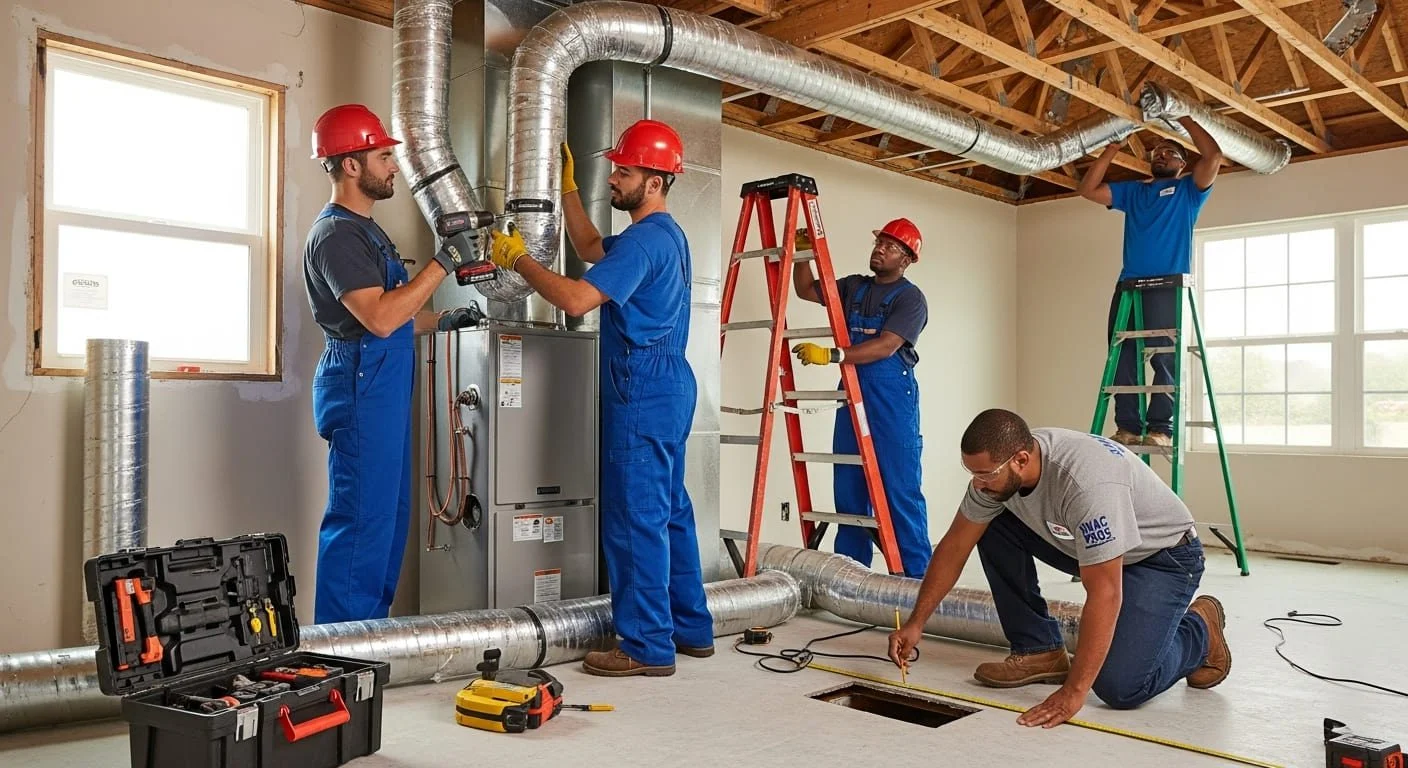
Bringing in a duct heating system starts with evaluation and ends with testing. Professionals map your home to optimize duct routes.
Expect coordination with builders if part of a reno.
Preparing for Duct Heating System Installation
Steps before work begins:
- Assess room sizes and insulation for sizing
- Plan vent locations for even flow
- Check gas or power supply adequacy
- Clear areas for access during setup
In cooler regions like the ACT, a duct heating system install focuses on quick winter readiness. Local nuances, like cyclone-rated mounts in Queensland, add resilience.
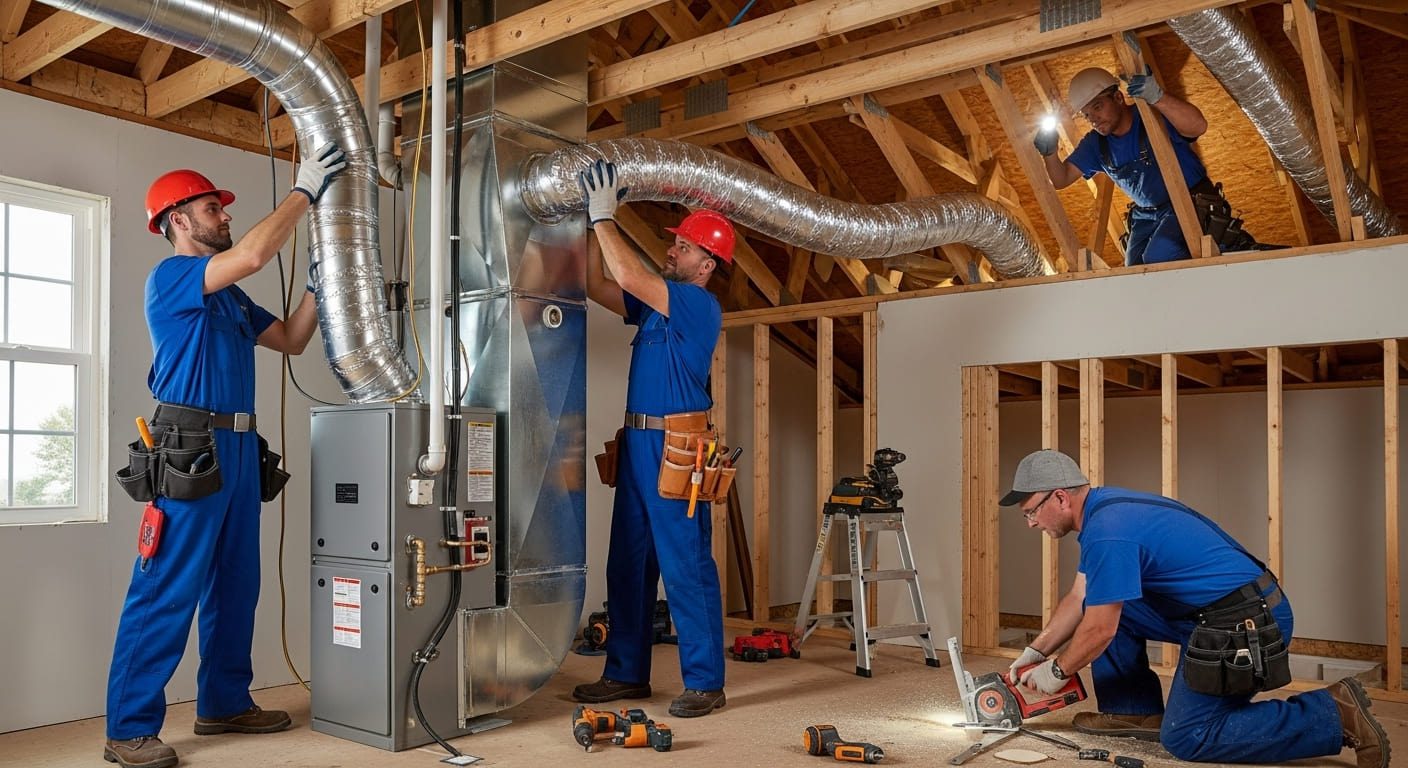
What Happens During Duct Heating System Setup
The process unfolds over days:
- Install central unit in attic or underfloor
- Run insulated ducts through cavities
- Fit vents and connect controls
- Test airflow and temperature balance
- Seal and insulate to prevent leaks
Post-install, enjoy immediate warmth. Regulations require licensed trades for gas lines, ensuring safe duct heating system operation.
Maintenance for Long-Lasting Duct Heating Systems
Keeping a duct heating system in top shape involves simple routines. Annual servicing catches issues early, extending its life.
Focus on filters and ducts to maintain efficiency.
Routine Care for Duct Heating Systems
Ongoing tasks:
- Replace or clean filters seasonally
- Vacuum vents to remove buildup
- Inspect ducts for damage or gaps
- Calibrate thermostat for accuracy
In dusty outback areas, more frequent cleans keep a duct heating system running clean. Cultural emphasis on home upkeep makes this straightforward for Aussies.
When to Call for Duct Heating System Service
Signs of trouble:
- Uneven heating or weak airflow
- Strange noises from the unit
- Rising energy use without explanation
- Dust or odors from vents
Providers offer checks aligned with warranty terms, supporting reliable duct heating system performance.
Duct Heating Systems in Australian Homes
Our climate drives demand for versatile heating. Southern states favor gas duct heating systems for rapid warmth, while northern ones pair with cooling.
From bungalows to townhouses, it adapts to our housing mix.
Local Examples and Cultural Fit for Duct Heating Systems
In Melbourne’s terrace homes, a duct heating system warms without dominating space. Adelaide families use zoning for kids’ rooms during school holidays.
Regulations promote energy-efficient models, with rebates for upgrades. Competitors focus on quiet, zoned options suiting our social indoor lifestyles.

Questions and Answers: Common Questions About Duct Heating System in Australia
Q: How does a duct heating system handle cold snaps in southern states?
Ans: It circulates warm air evenly, maintaining comfort during frosts. A duct heating system responds quickly to drops in temperature.
Q: What makes a duct heating system good for open-plan homes here?
Ans: Zoning allows targeted warmth in living areas. In Australian designs, a duct heating system keeps gatherings cozy without waste.
Q: Do building codes affect duct heating system installs?
Ans: Yes, they require proper insulation and venting. A duct heating system must meet these for safe, efficient operation.
Q: How does a duct heating system integrate with cooling?
Ans: Reverse cycle versions switch modes seamlessly. This dual function suits Australia’s year-round climate needs.
Q: What upkeep keeps a duct heating system efficient?
Ans: Filter changes and duct checks prevent issues. Regular care ensures a duct heating system performs reliably.
Conclusion: Your Path to a Successful Duct Heating System in Australia
Before installing a duct heating system, consider its even warmth, efficiency, and flexibility against setup and maintenance needs. This guide detailed its workings, pros like zoning, cons such as dust management, and the install process. In Australia, our codes for energy and safety, plus cultural love for comfortable homes, position a duct heating system as a solid choice—from frosty mornings to mild evenings.