


Artificial plants have come a long way. If you love the look of greenery but hate the upkeep (or have kids, pets, or low light), a high-quality faux tree or plant can add instant life to a room. In this post from Trendy Home Decor Ideas, you’ll learn how to choose, style, and care for faux plants so they look convincingly real.
This post may contain affiliate links. I may earn a small commission when you make a purchase through links at no extra cost to you. See my policies and disclosure page for details.
Why Choose Faux Plants?
Real plants are wonderful, but they aren’t always practical. Faux plants are ideal if you need:
- Low-maintenance greenery that never needs watering or sunlight.
- Allergy-friendly decor that won’t trigger reactions.
- Durable options for homes with pets or young children.
- Flexible placement—move them anywhere without upsetting plant routines.
Plus, realistic faux plants are far more convincing now than the dusty plastic versions many of us remember from childhood.
How to Spot a High-Quality Faux Plant
Before buying, look closely. High-quality artificial plants have specific features that set them apart:
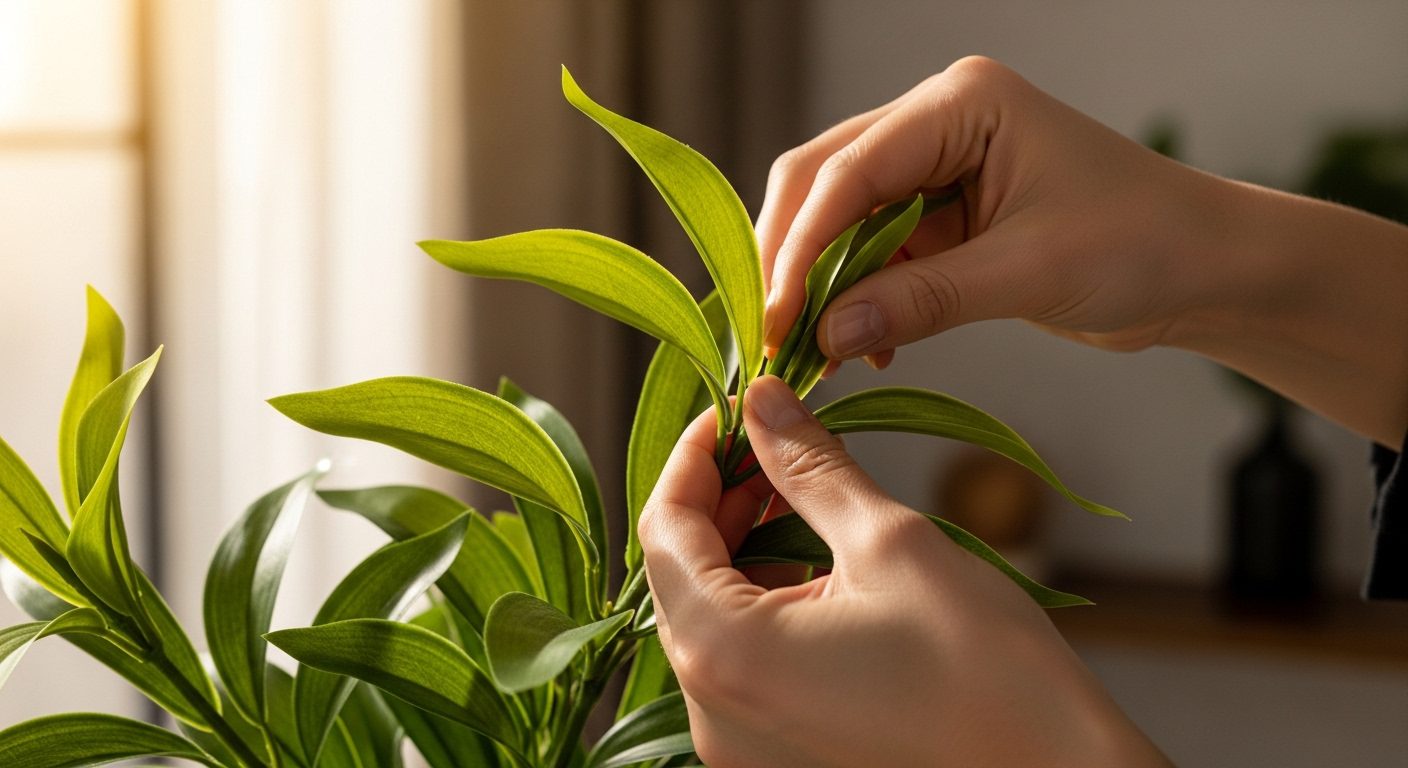
- Silk-like leaves: Leaves that aren’t stiff or shiny plastic but have a soft, fabric-like texture and natural movement.
- Detailed trunks and stems: Thicker trunks with bark textures, knots, or multiple branches look far more realistic than thin, smooth stems.
- Natural color variation: Real leaves aren’t one flat green. Look for faded tones, subtle veins, and slightly discolored stems rather than uniform bright green.
- Weighted base or realistic planter: A weighted base helps the plant stand steady and a realistic planter or soil top dressing completes the illusion.
9 Practical Tips to Make Faux Plants Look Real
1. Avoid the “too perfect” look
Real plants have small imperfections—slightly uneven leaves, a bent stem, or natural color variation. Gently bend a few leaves and trim any plastic tags or visible seams.
2. Add texture and soil realism
Top the planter with real pebbles, moss, or soil mix. A thin layer of potting soil or coconut coir looks much more authentic than bare plastic or styrofoam.
3. Use multiple sizes and heights
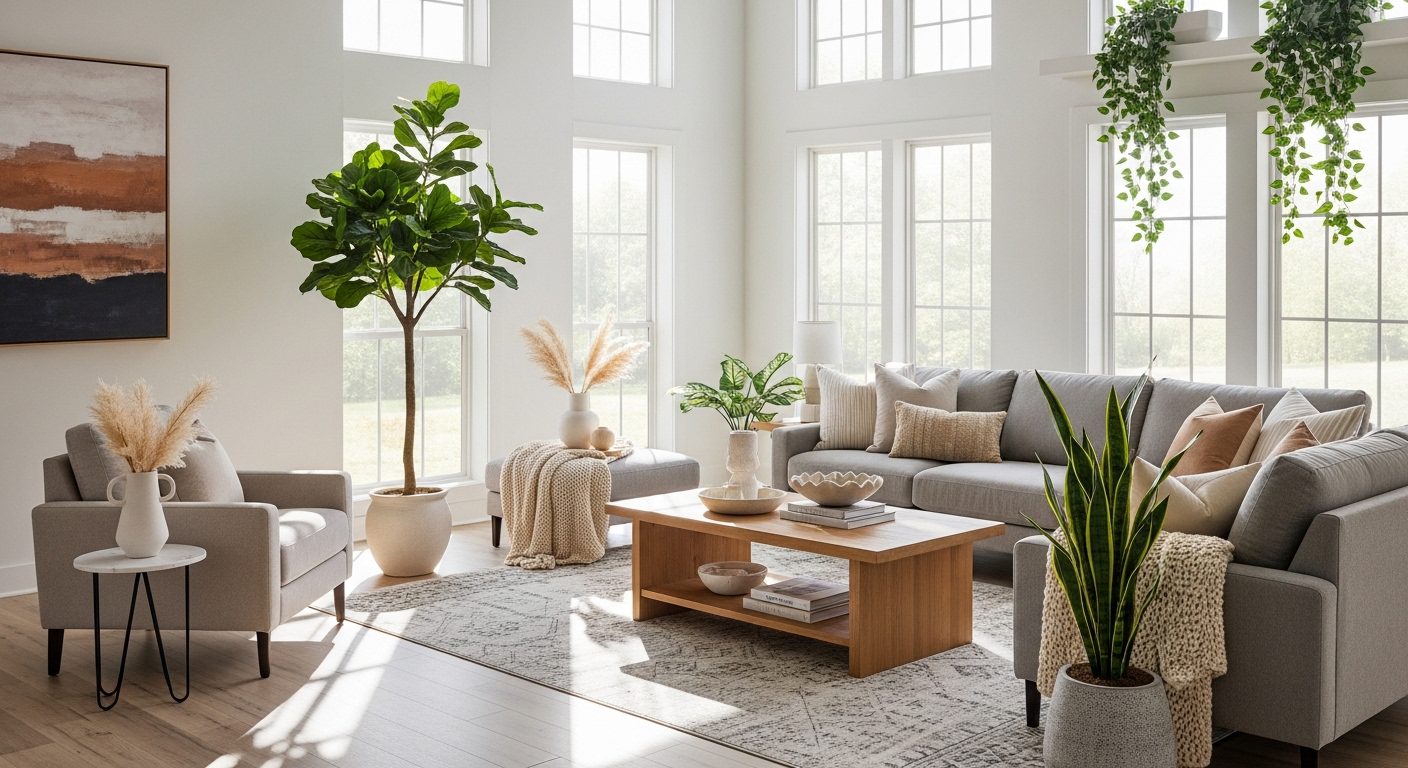
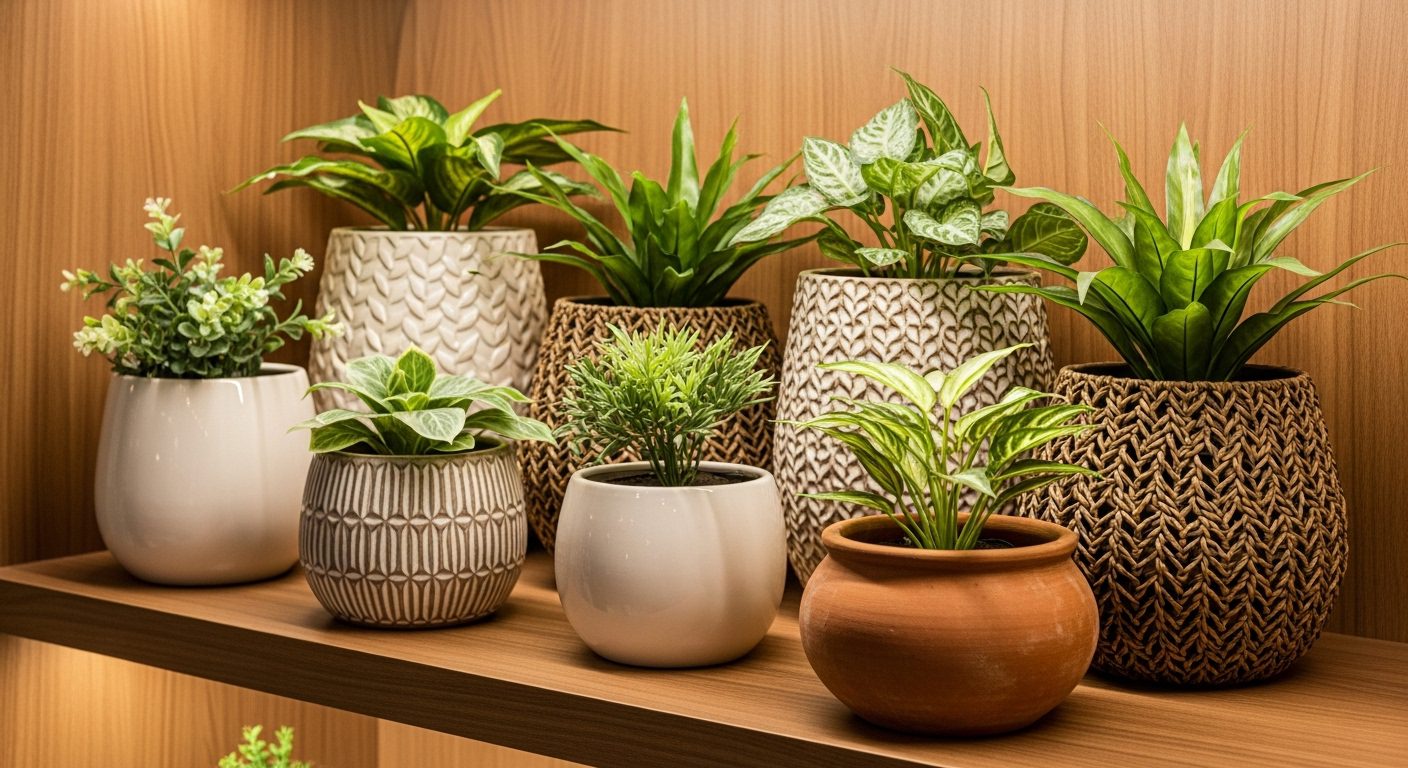
Group a tall tree with medium and small plants to mimic how plants grow in real life. Varying heights add depth and visual interest.
4. Position near natural light (but not in direct sun)
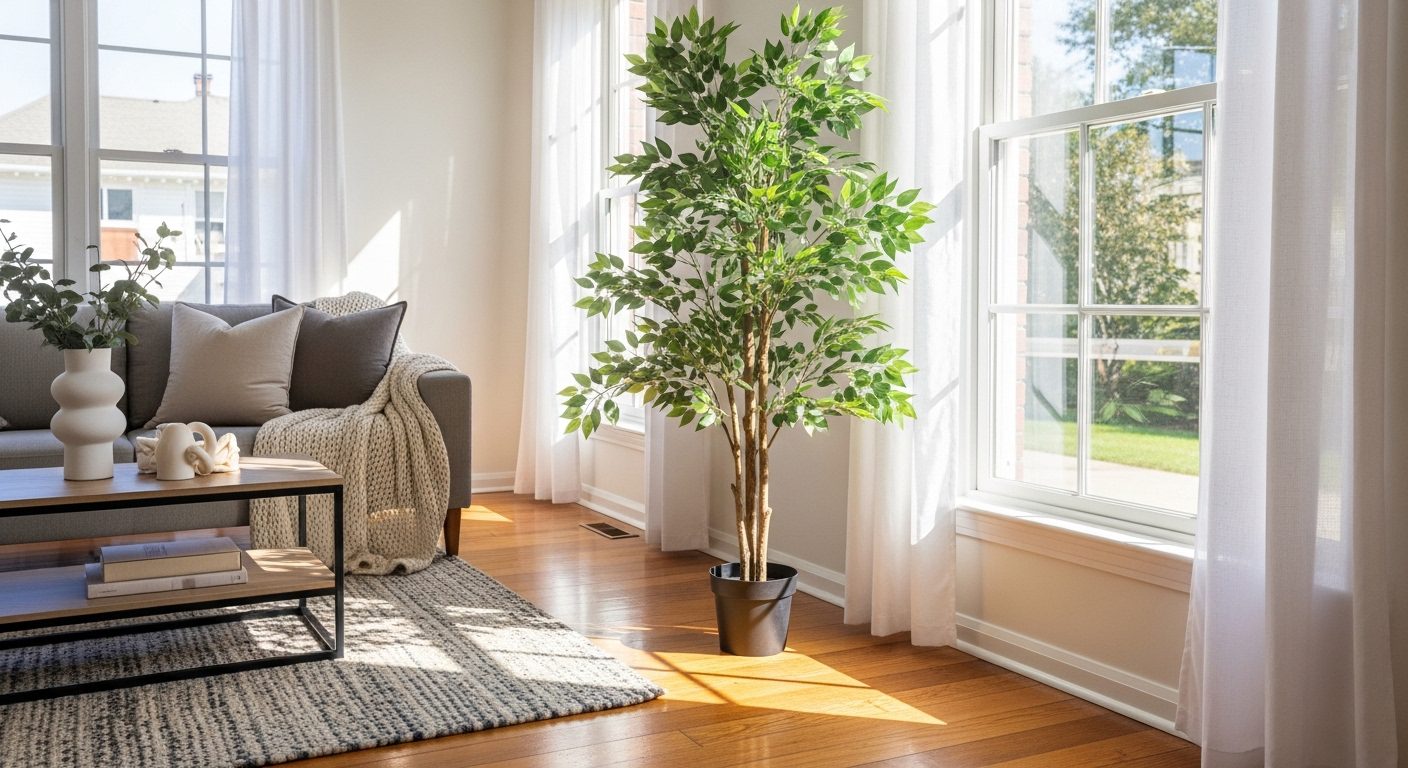
Placing faux plants near natural light helps them blend into the room. Avoid harsh direct sunlight that can fade colors over time.
5. Mix real and faux
If you have a few real plants, mix them with faux ones. The combination makes the artificial plants look more believable and creates a layered, lived-in look.
6. Fluff and shape regularly
Just like fresh flowers, faux plants need shaping. Fluff the leaves, bend stems slightly, and rotate the plant so one side doesn’t look flattened.
7. Clean dust often
Dust is the biggest giveaway. Use a soft-bristle brush, microfiber cloth, or a hair dryer on a cool setting to remove dust. For deep cleans, rinse well-made faux leaves (if care instructions allow) or use a mild soap solution.
8. Invest in a good base
A realistic pot or decorative planter can make a huge difference. Choose pots with texture—terracotta, woven baskets, or ceramic with a matte finish look very authentic.
9. Beware of cheap buys—inspect before you commit
High-quality faux plants can be pricey, so read reviews if shopping online and inspect seams, leaf attachments, and trunk detail if shopping in person. Look for names or brands known for realism.
DIY Faux Tree Ideas
Want to save money? You can DIY a decorative faux tree—my handmade olive tree was easier than I expected and gave the room a custom, high-end look. Use a real branch for the trunk, add faux foliage and secure it in a weighted pot with floral foam, moss, and pebbles to disguise the base.
Styling Tips for Different Rooms
- Living room: Place a tall faux tree in an empty corner to anchor seating areas.
- Bathroom: Use small faux succulents or ferns that tolerate humidity well.
- Bedroom: Add a soft, trailing faux plant on a shelf or dresser for a calming touch.
- Entryway: A statement faux tree in a dramatic planter sets the tone immediately.
Quick Takeaways
- Look for silk-like leaves, textured trunks, and natural color variation.
- Fluff, shape, and clean faux plants regularly to keep them believable.
- Use realistic soil, pebbles, or moss in the planter for an authentic finish.
- Mix faux and real plants for a more natural look.
- Inspect before buying and read reviews if shopping online to avoid low-quality pieces.
Conclusion
Faux plants are an easy, practical way to bring greenery into any home—especially if you don’t have a green thumb. With a few simple styling and care tricks, your artificial plants can look stunningly real. Whether you buy a high-quality piece or try a DIY olive tree, these tips will help you create a natural, inviting space that fits your lifestyle.
For more decor inspiration and practical tips, keep following Trendy Home Decor Ideas—your go-to source for stylish, budget-friendly home updates.