

Rural properties ask a lot more from their power supplies than your average suburban home. There are bores, pumps pushing water for irrigation, workshops filled with tools, cold rooms that can’t afford to flicker, and sheds packed with all sorts of machinery. The regular grid just isn’t built with this sort of thing in mind, and honestly, plenty of country blocks don’t even have a grid connection to lean on. That’s why off grid solar power systems have become the go-to solution for farmers, landowners, and rural households who need reliable power that doesn’t hinge on a far-off network or a diesel generator running all day.
With equipment demands climbing and the weather getting harder to predict, a self-sufficient energy setup only sounds more appealing. People out here aren’t thinking of off grid solar as some niche fix for the most isolated properties anymore.More and more, they see it as a sensible, mainstream option, something that lets them ditch the headaches of distant infrastructure and take charge of their own energy.
Why Rural Properties Are Switching to Off Grid Solar
The Limits of the Grid
Dragging power lines all the way to a remote property is often slow, pricey, and sometimes just a non-starter, depending on the terrain and the distance. Off grid solar skips all that. Instead of waiting for a network upgrade or footing the bill for kilometers of poles and wire, you can just set up your own system and start generating power right where you need it.
Power That Fits Rural Life
Farm life isn’t anything like suburbia when it comes to energy use. Some days or seasons, you might be running pumps or big machinery all at once, then things will quiet down and you’ll only need the basics. A well-built off grid solar system matches how you actually use power, growing and shrinking with your real workload. This is a big reason why so many rural landowners are stepping away from grid extension or leaning entirely on generators.
What Makes an Off Grid Solar System Work
Solar Panels
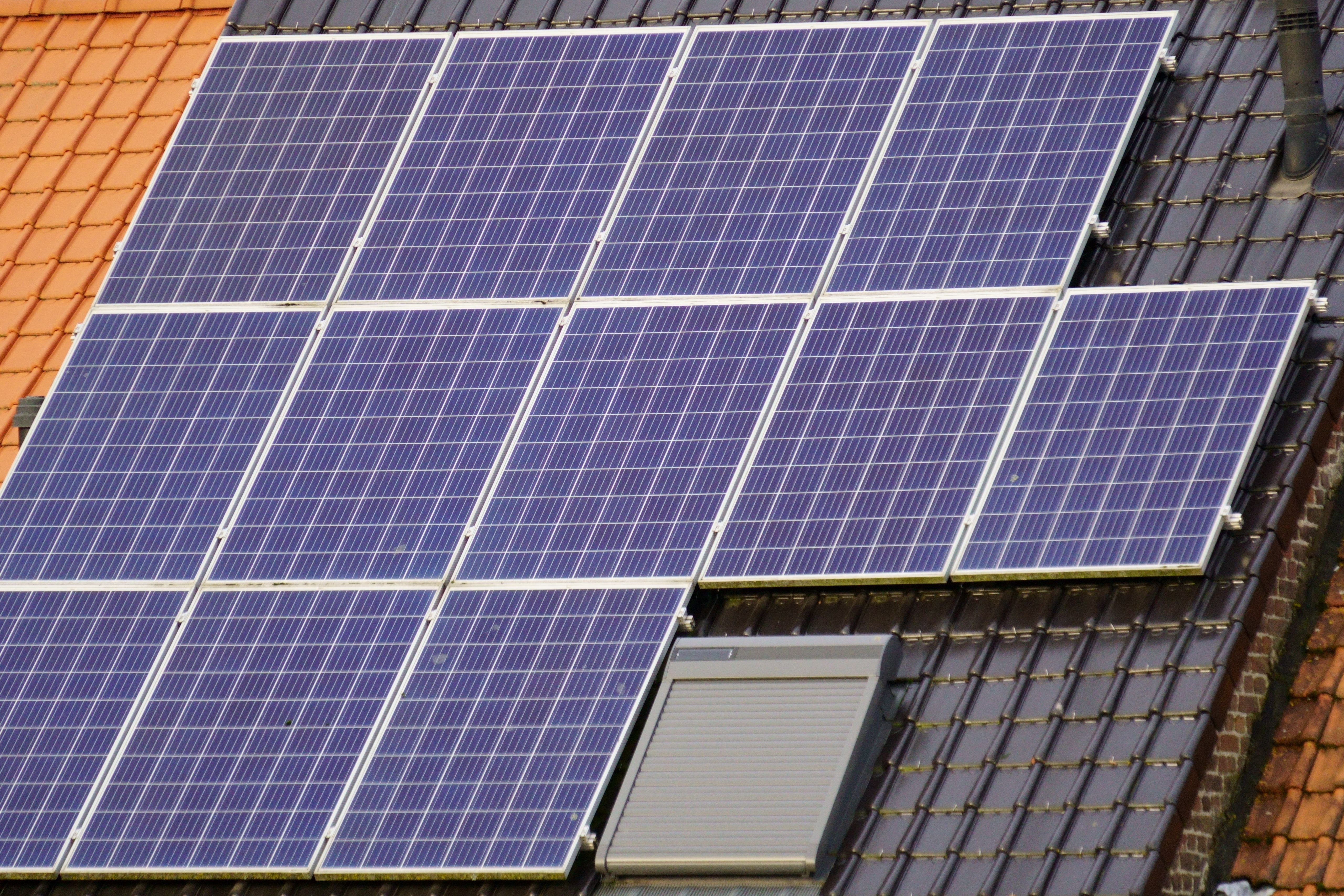
Everything starts with the panels. You size these to the real energy pull of the property, not just a basic household guess. If you’re running irrigation pumps or heavy tools, your array will need to be bigger than for a place mostly using lights and kitchen appliances.
Battery Storage
Batteries are where all that sunshine gets stored. They need to be large enough to keep you running for days, even through clouds or those stretches when you use more than usual. Most folks find that battery size really determines whether their system feels comfortable or just barely scrapes by.
Inverters
Inverters take the power from your batteries and turn it into usable electricity for the property, whether you’re plugging in a phone charger or cranking up a water pump. These need to be tough enough to handle both the usual draw and those big, sudden loads.
Backup Generator
A backup generator is the safety net. It’s there for the long stretches of cloud or a rare run of bad luck, not as your daily driver, but as support when you need it.
Why Getting the Sizing Right Matters
A good system is all about balance. Go too small, and you’re always short on power when you need it most. Go too big, and you’ve wasted money on capacity you won’t use. That’s why it pays to work with someone who really understands both solar setups and the rugged demands of rural life, guesswork just doesn’t cut it.
Where Off Grid Solar Works in the Country
You’ll find these systems just about everywhere in rural Australia: standalone farmhouses too far from the grid to connect, tool sheds and workshops humming with life, pumps keeping water moving for stock or crops, remote cabins, worker quarters, you name it. Agricultural setups, cold rooms, processing sheds, usually need something even more robust. No two places use power the same way, and a smart off grid setup reflects that from the start. It’s not a one-size-fits-all package; a small farmhouse system will look very different from what you’d need to keep processing equipment or big fridges running 24/7. Start with what the property actually needs, and you end up with a system that works. Try to take shortcuts, and things just don’t add up.
Planning Before Installing an Off-Grid Solar Power System
Daily and Seasonal Load
Be realistic about your power use, both day to day and across the whole year. Think beyond the basics, include anything you only run for part of the year, like pumps for irrigation during growing season or extra refrigeration in harvest months.
Sun Exposure and Mounting Options
Where you put your panels and how much sun your site actually gets make a huge difference. Sometimes a roof is best, sometimes the ground. The right choice lets you capture as much solar energy as you can, instead of leaving potential on the table.
Future Expansion
Don’t just think about what you need today. Rural places grow, new sheds, extra equipment, sometimes whole new buildings. If you build a system with a little extra capacity now, you save yourself from a huge upgrade headache down the line.
Battery Bank Sizing
Your batteries should actually match how many days you might go without sun. It’s tempting to hope for the best, but honest planning here keeps the lights and machines on when the weather turns rough.
If you’re not already deep into this kind of planning, talk to someone who does off-grid solar for rural and agricultural places every day. Rural systems aren’t like city installs, there’s a lot more to it than just matching a few numbers from a brochure.
The Long-Term Case for Off-Grid Solar
Independence From the Grid
Off-grid solar does more than just solve the problem of getting power where there’s no utility supply. It lets you break free from the grid for good. No monthly network charges, no worries about storms frying power lines miles away, and no sitting around waiting for someone to fix it after a big weather event. For rural folks, that’s not just a nice to have, that’s real peace of mind.
Cost and Technology Trends
Run the numbers over the life of a decent system and you’ll see how it pays off. Cutting out constant generator fuel bills, and knowing you’ll get power every day just from the sun, makes the case pretty clear. Add in that solar and battery technology keeps getting cheaper and more reliable, and off-grid stops looking like a quick fix. More rural properties now see it as a solid investment, good for the long haul.
That change has real value, too. A well-designed off-grid system, with the paperwork and sizing to back it up, can be a serious asset when it comes time to sell. The next owner gets a dependable, well-thought-out power supply, not a patchwork of mismatched gear. That’s a big part of why early planning matters so much.
How to Choose the Right Provider
Look for Rural and Agricultural Know-How
Not every solar installer understands the demands of rural places. Farms and remote blocks play by different rules than suburban houses. Ask up front, do they actually have experience with rural or farm installs? The right installer will recognize the importance of things like irrigation loads and workshop tools, not just fridges and lights.
See How They Handle Sizing
A good provider starts by asking how you use power, season by season and hour by hour. If they send you a cookie-cutter package without digging into your real usage, that’s a sign they haven’t thought it through.
Ask About Their Equipment Choices
All your parts, panels, batteries, inverters, need to work as a team, not random pieces. The right installer should explain why they picked certain components, how they handle bad weather, big surges, and backup needs, not just name-drop brands.
Consider Ongoing Support
Off-grid isn’t install-and-forget. You want someone who’s still reachable if something breaks or just seems off, especially in the bush where help isn’t close by. Solid support matters a lot more than it does in town.
Check Licensing and Accreditation
Make sure your installer has all the necessary electrical licenses and solar certifications. You want a system built to code and done right, the kind of thing you can depend on every single day.
Conclusion
Rural and farm power needs aren’t like those in the suburbs, solar made for the city just won’t cut it. When you size your off grid system around your real usage, panels, batteries, backup and all, you get real independence, not just a patched together compromise. For anyone weighing up the options, one thing is clear: off-grid solar isn’t a last-resort measure anymore. With good planning and the right equipment, it’s a solid, reliable solution built for rural life.