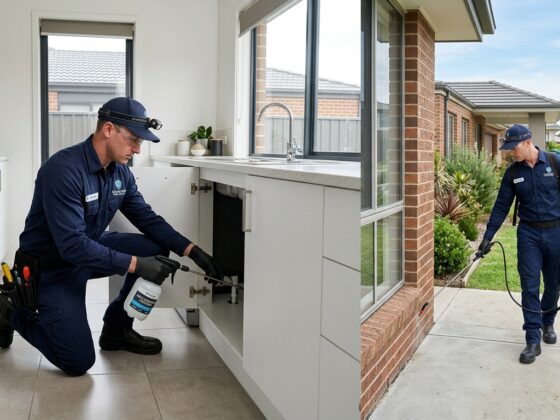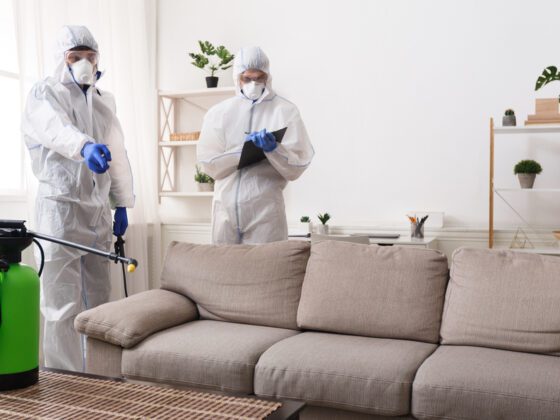

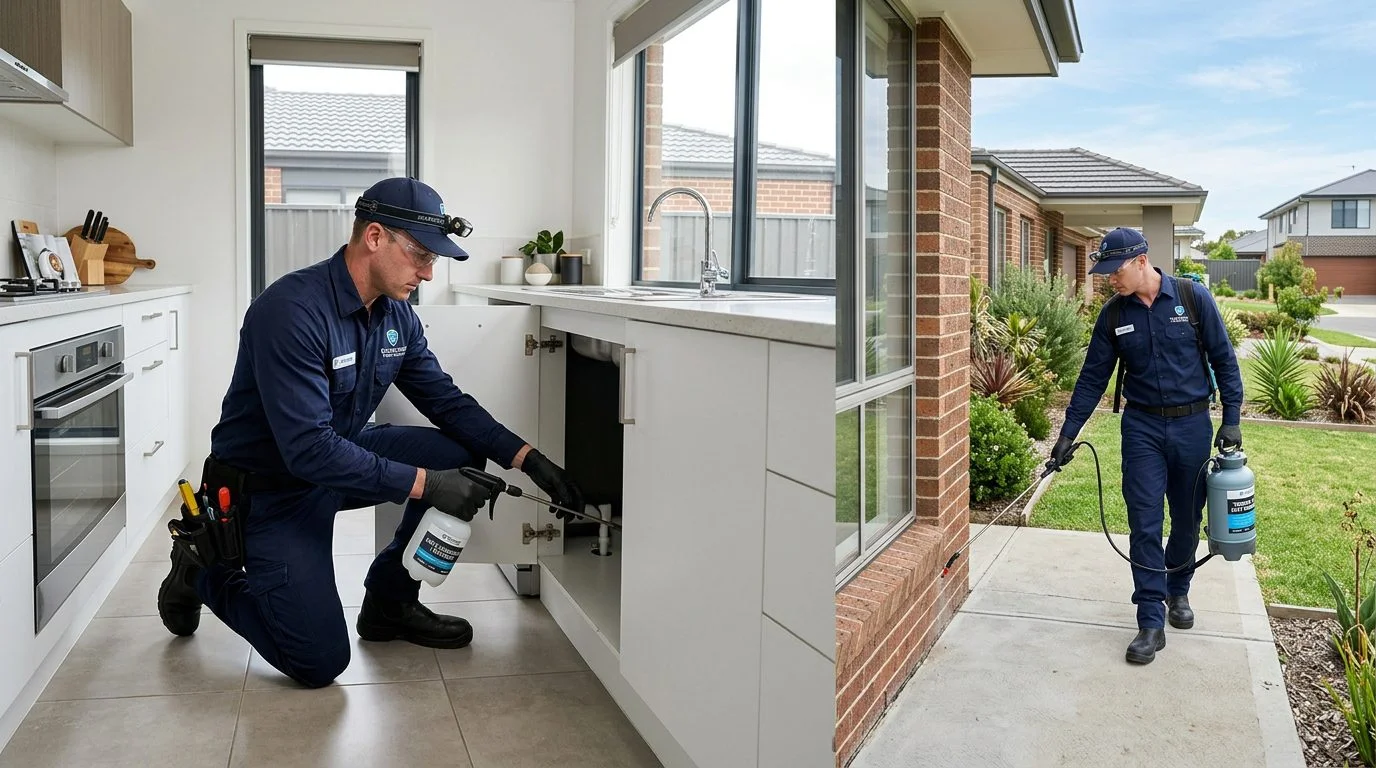
While many people try to solve infestations using DIY products, these methods often provide only temporary relief. Professional pest control offers a long-term solution by identifying the source of the problem, treating infestations effectively, and preventing pests from returning. Investing in expert services not only protects your property but also gives you peace of mind throughout the year.
The Hidden Dangers of Household Pests
Many pests remain unnoticed until the damage becomes severe. Some hide in roof spaces, wall cavities, gardens, or beneath flooring, making them difficult to detect without professional knowledge.
Common household pests can cause several problems, including:
- Contamination of food and kitchen surfaces
- Damage to timber, insulation, and electrical wiring
- Spread of bacteria and harmful pathogens
- Allergic reactions caused by pest droppings and debris
- Stress and discomfort for family members
Ignoring a small pest problem today can result in a much larger infestation tomorrow.
Why DIY Treatments Often Fall Short
Supermarket sprays and home remedies may kill visible insects, but they rarely eliminate the entire infestation. Most pests reproduce quickly, and if nests or breeding areas remain untouched, the problem will return within weeks.
DIY methods also have limitations because they:
- Treat only the pests you can see
- Fail to identify the source of infestations
- Require repeated applications
- May expose people and pets to incorrect chemical use
- Often become more expensive over time
Professional pest control specialists use proven techniques designed to eliminate pests safely and efficiently.
Benefits of Professional Pest Control
Hiring experienced pest management experts provides far more than temporary pest removal. Professional services focus on complete protection and long-term prevention.
Accurate Identification
Different pests require different treatment methods. Professionals correctly identify pest species and apply the most effective solution.
Safe Treatment Methods
Licensed technicians understand how to use products safely around children, pets, and the environment while following Australian regulations.
Long-Term Prevention
Instead of treating symptoms, professionals identify entry points, nesting locations, and conditions attracting pests, helping prevent future infestations.
Property Protection
Regular inspections help detect destructive pests such as termites before significant structural damage occurs.
Peace of Mind
Knowing your home has been professionally inspected and treated reduces stress and provides confidence that the problem has been resolved properly.
Common Pests Found in Australian Homes
Australia’s climate creates ideal conditions for a wide range of pests throughout the year.
Termites
Often called “silent destroyers,” termites feed on timber and may cause severe structural damage before homeowners notice any signs.
Cockroaches
Cockroaches spread bacteria, contaminate food, and trigger allergies. They multiply rapidly in warm environments.
Rodents
Rats and mice chew electrical wiring, insulation, and stored items while spreading diseases through droppings and urine.
Ants
Although many ant species are harmless, large colonies can contaminate food and become difficult to eliminate without professional treatment.
Spiders
While many Australian spiders are harmless, some species require careful handling due to their venom.
Wasps and Bees
Nests located around homes can become dangerous, especially for people with allergies.
Signs You Need Professional Pest Control
Early detection can prevent serious infestations. Homeowners should watch for warning signs such as:
- Droppings around cupboards or storage areas
- Scratching noises inside ceilings or walls
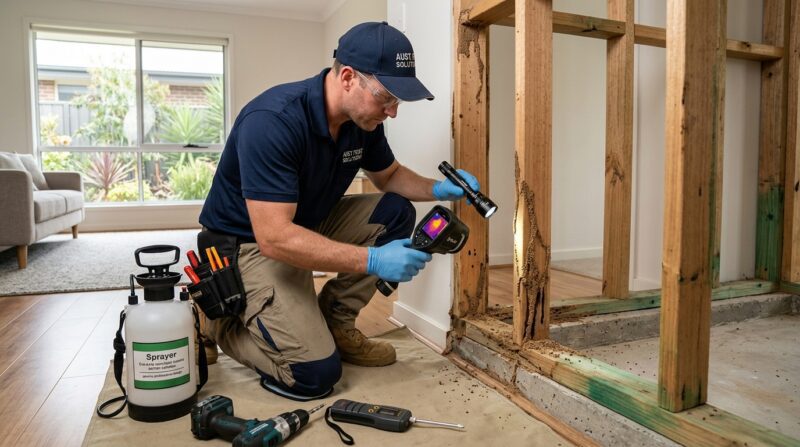
- Damaged timber or hollow-sounding wood
- Grease marks along walls
- Unpleasant odours
- Insect wings near windows
- Visible nests around the property
- Increased sightings of insects indoors
If any of these signs appear, arranging a professional inspection is the safest option.
Health Risks Associated with Pest Infestations
Pests are known carriers of bacteria, viruses, parasites, and allergens. Their presence can create significant health concerns for families.
Some health risks include:
- Food poisoning caused by contaminated surfaces
- Asthma and allergy flare-ups
- Skin irritation from bites
- Diseases carried by rodents
- Secondary infections caused by scratching insect bites
Professional pest control helps reduce these health risks by removing infestations before they become widespread.
Protecting Your Home from Structural Damage
Some pests damage more than food supplies. Termites, rodents, and certain insects can affect the structural integrity of a property.
Potential damage includes:
- Timber destruction
- Damaged insulation
- Chewed electrical wiring
- Blocked drainage systems
- Damaged roofing materials
Repairing structural damage is often far more expensive than investing in preventative pest management.
Preventative Pest Control Tips
Professional treatments are most effective when combined with good household maintenance.
Simple preventative measures include:
- Keep food stored in sealed containers.
- Clean kitchen surfaces regularly.
- Empty rubbish bins frequently.
- Repair leaking taps and pipes.
- Seal cracks around doors and windows.
- Trim vegetation touching the home.
- Remove standing water from the garden.
- Schedule regular property inspections.
These habits reduce the conditions that attract pests.
Why Regular Pest Inspections Matter
Many homeowners wait until pests become obvious before seeking help. However, regular inspections allow professionals to identify problems early.
Routine inspections can:
- Detect hidden infestations
- Prevent expensive repairs
- Protect property value
- Improve household hygiene
- Reduce long-term treatment costs
Preventative maintenance is always more affordable than dealing with a major infestation.
Choosing the Right Pest Control Company
Not all providers offer the same level of service. Before hiring a company, consider the following:
- Proper licensing and certification
- Experience with residential pest management
- Safe and environmentally responsible treatments
- Positive customer reviews
- Detailed property inspections
- Clear treatment plans
- Follow-up services and preventative advice
A reputable company will explain the treatment process and answer any questions before work begins.
Environmental Responsibility in Modern Pest Control
Today’s pest management practices are more environmentally conscious than ever. Many professionals use targeted treatment methods that minimise unnecessary chemical use while effectively controlling pests.
Integrated pest management focuses on:
- Monitoring pest activity
- Reducing environmental impact
- Preventing infestations naturally where possible
- Using treatments only when necessary
- Educating homeowners about prevention
This balanced approach protects both your home and the surrounding environment.
Conclusion
Pests can quickly turn a comfortable home into an unhealthy and expensive problem. Whether it’s termites damaging timber, rodents contaminating food, or cockroaches spreading bacteria, ignoring the issue rarely makes it disappear. Professional pest control provides effective solutions that remove infestations, prevent future problems, and protect your family’s health and property.