

Roof repairs in Carrum Downs are essential for keeping Australian homes safe from the coastal elements that batter the region each year. Salt‑laden air, heavy rain, and strong winds take a steady toll on roofing materials, making regular maintenance and prompt attention vital. Common damage includes cracked tiles, rusted metal sheets, and worn flashing that can let water seep into the home. Acting quickly when a leak appears prevents costly interior damage to ceilings and walls. Understanding the main components, such as tiles, metal sheeting, gutters, and fascia, helps homeowners identify problems early. A legitimate quote covers inspection, materials, and labour clearly, ensuring the repair protects the whole roof system against future storms.
Below you will get a clear walk‑through of common types of damage in the area, acting fast when the roof allows water and understanding the main parts of a roof.
What Makes Roof Repairs Essential for Coastal Homes
Salt carried inland by sea breezes settles on metal roofing and mixes with dew or rain, forming a corrosive layer that eats through protective coatings. Coastal homes around Carrum Downs, Seaford and Frankston often show rust along the cut edges of Colorbond panels, where the zinc underneath becomes exposed. This kind of damage is invisible while it builds up, yet the attack on the material never pauses. Small rust spots multiply quickly when ignored, so an annual inspection is the practical time to catch them before they grow into far bigger and costlier problems.
Common Types of Damage in the Area
Everyday wear accounts for more roof problems than storm damage does, though that’s the reason most people search for roof repairs near me. A strong wind can lift the corner of a tile, letting water run underneath until the whole structure becomes saturated. Hail happens less often, but it cracks terracotta tiles and dents metal roofs. In this region, one bad storm can harm dozens of homes in a single afternoon. So after any wild weather you should walk around the property and check for shifted tiles, missing ridge capping, and flattened gutters.
Acting Fast When the Roof Allows Water

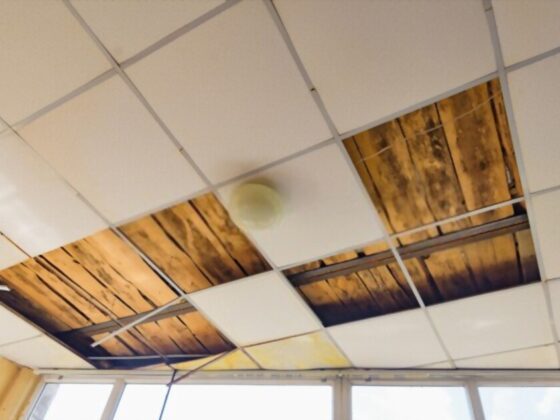
When a leak starts dripping through the ceiling, the immediate task is to limit the damage while you wait for emergency roof repairs in Melbourne. Position a bucket or plastic container directly under the drip. If the plasterboard has water collecting on its surface, make a small puncture there so the liquid runs into the bucket rather than seeping across the ceiling. Shift furniture away, roll up rugs, and spread old towels to shield carpets and wooden flooring from damp.
Understanding the Main Parts of a Roof
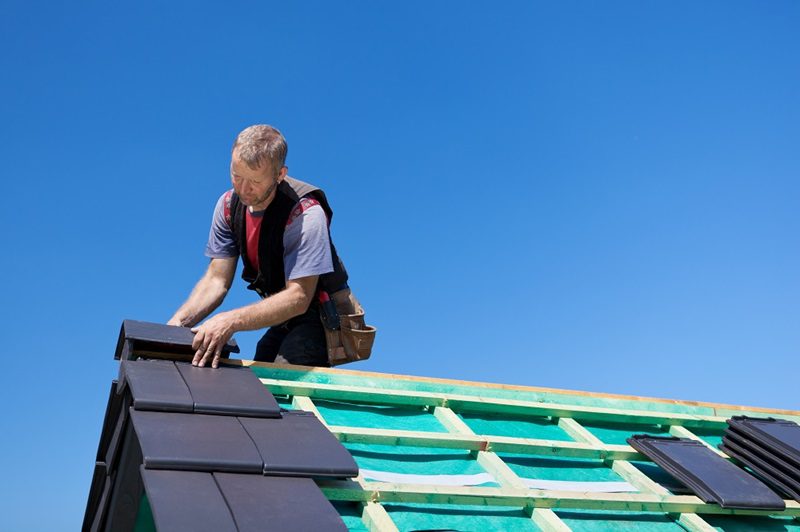
Few homeowners think about the parts that keep a roof weatherproof until trouble appears. The visible tiles or metal sheeting are only the outer layer; beneath them, sarking adds a reflective foil barrier that works as a second line of defence. Where the two slopes meet at the top, the ridge cap protects the peak, and the inward angles where roof planes drain water into the gutters are called valleys. Thin metal flashing seals the junctions where a chimney or skylight passes through the surface, playing a central role in roof waterproofing.
Tile and Their Specific Needs
In Carrum Downs, most homes use either terracotta or concrete tile roofs, and each type behaves differently when damaged. Terracotta, which comes from fired clay, resists moisture but doesn’t stand up well to hard impacts. Concrete tiles weigh more and absorb water more readily, so they tend to grow moss unless cleaned regularly. A cracked tile doesn’t always demand immediate action, yet water can seep through and rot the timber battens below, making a prompt replacement worthwhile. Because colours fade with age, matching new tiles to an old roof is rarely simple. Skilled roofers often pull a tile from a hidden spot to find the closest match.
Common Questions About Tile and Their Specific Needs
Roof repairs involve two distinct jobs on a tiled roof: rebidding and repointing. The first task replaces the mortar bed beneath a ridge cap, while repointing refreshes the material sitting between those covers. Both procedures become necessary every 15 to 20 years, once the cement has weathered and started to crumble, and they are often combined with a wider roof restoration. A ridge cap that works loose is genuinely dangerous, because a strong storm can tear it off and let rainwater pour straight through into the cavity below. If you notice cracked mortar or a section that shifts when pushed, arrange a repair before the next downpour.
Metal for Lasting Protection
Colorbond and Zincblende remain favourite roofing materials across Australia because they weigh little and hold up well over decades, yet they’re not free of trouble. Over time, cycles of heat and cold wear the rubber washers beneath the fasteners, so the screws gradually work loose. You may then notice a sheet lifting and flapping in a strong breeze or see rust streaking down from the head of a screw. A qualified specialist in roof repairs can replace the affected fasteners with new ones fitted with fresh washers; it is a straightforward job.
Storm Damage and When to Call a Professional
Lifted or missing tiles, damaged ridge caps, dented metal panels, and loose flashings are the clearest signs of storm damage. You can spot these from ground level with binoculars before deciding whether you need professional help. Also check the gutters for debris and see whether any downpipes have come loose. If only a single tile has slipped, a handyman with roof experience may be able to handle it. But widespread damage, especially after hail, should be dealt with by a licensed roofer to protect your home and your insurance claim.
What a Legitimate Quote Should Include
A piece of paper with a single price isn’t enough for roof work. A proper written quote should list every material, naming the brand and colour of the tiles or metal sheeting. And describe exactly what the job involves: replacing ten tiles, rebidding the ridge, or renewing the flashings. It should also state the timeline, say who will handle cleanup, and indicate whether the price includes carrying away the old materials. Beyond that, a reputable roofer will willingly run through each line item with you and answer any questions you have. So you fully understand the agreement before you commit to anything.
What To Check for What a Legitimate Quote
Every roofing agreement should include a warranty, and you need to understand which of the two kinds applies to your job. A manufacturer’s warranty covers defects in the materials themselves, whereas a workmanship guarantee protects against poor installation. The document should be written down, specify its duration, and list what would cancel it. Pressure washing the surface or walking on the roof incorrectly, for example. Be wary of quotes that come in well below the rest; they usually point to cheap materials or a hasty job that ends up costing more later.
Gutter and Fascia Repairs Protect the Whole System
Because the gutter and fascia sit out of sight, people often fail to notice how much work they do within a roofing system. Every drop of rain that lands on the roof passes through them on its way to the downpipes, which keeps the exterior walls and foundations dry. In autumn, however, fallen leaves, twigs, and bird nests tend to gather inside and clog the flow. When the water can’t drain, it spills over the front edge and runs down the cladding, possibly reaching the ground and soaking the foundations. Cleaning them twice a year is usually enough to prevent this kind of trouble.
Horizontal Board Running Along
That horizontal board running along the roof edge is the fascia, and it gives the gutters something to fix to. Timber is a common choice for it, although wood rots once it stays damp, whereas Colorbond metal lasts far longer. Peeling paint, soft spots, or birds nesting behind the board all signal possible rot, so arrange for a check. Since the tradesperson is already present, completing the fascia work at the same time as roof repairs avoids a follow‑up visit and its separate call‑out fee.
Conclusion and Final Advice for Homeowners
The coastal climate around Carrum Downs keeps the structure above you under constant strain, with storms and shifting seasons doing their share of wear and tear. That’s why regular attention matters, even if you never become a roofing expert. What you really need is a sense of what to watch for, when to call in a professional, and how to choose a tradesperson you can rely on. Dealing with small faults early protects your home, your household, and your peace of mind, and it spares you the worry and expense of major repairs further down the track. Roof repairs are simply part of owning a house here, so if you’re ever unsure, book a licensed local roofer to carry out an inspection and walk you through your options.