
If you’ve been dealing with hot rooms, high energy bills, or a home that just never seems to cool evenly, a ductless mini split system might be exactly what you’ve been looking for. These compact, wall-mounted units have surged in popularity over the past decade — and for good reason. Whether you’re adding climate control to a garage, a new addition, or replacing aging window units, understanding how these systems work can help you make a smarter decision. Homeowners who’ve explored mini split installation in Forsyth, GA often say the biggest surprise is how straightforward the whole process is.
What Is a Ductless Mini Split System?
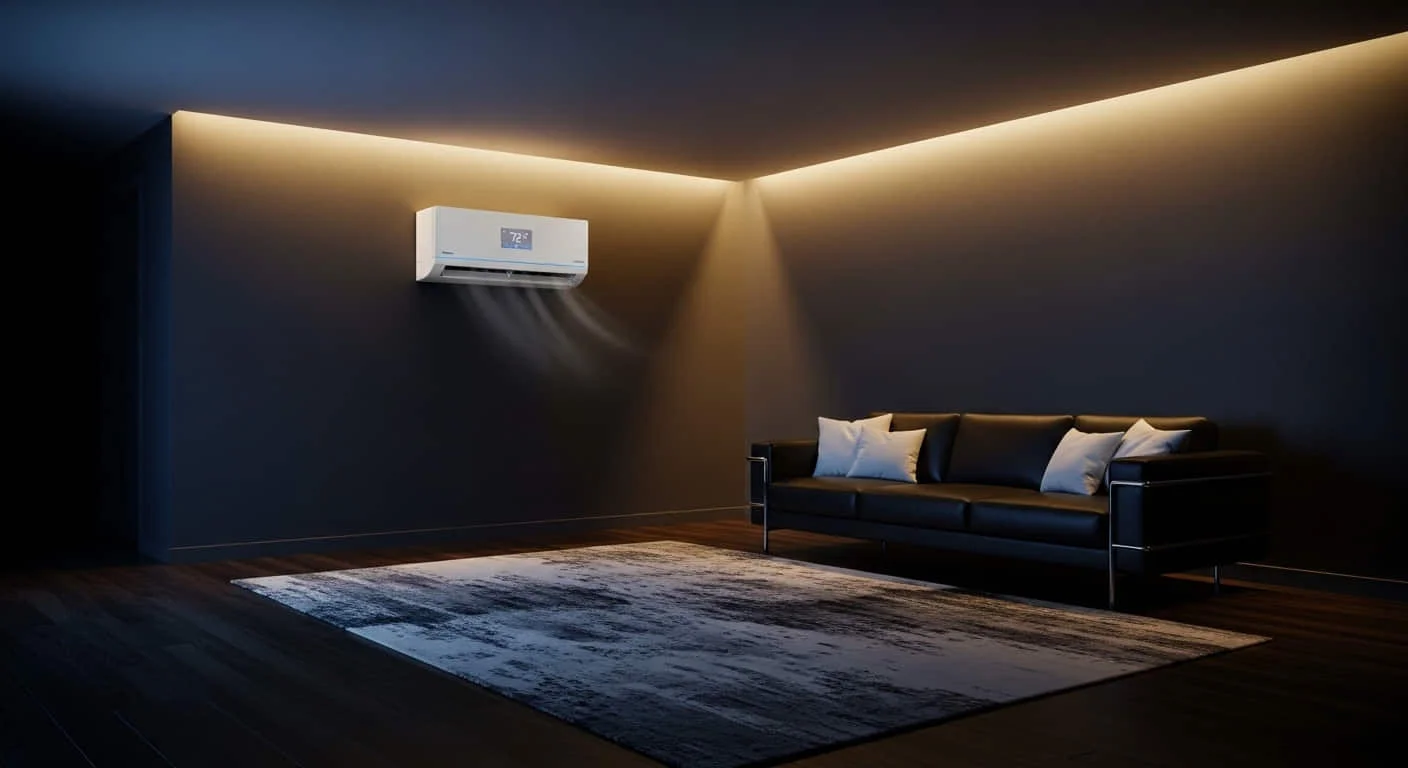
A ductless mini split is a two-part cooling and heating system. One unit sits outside your home — that’s the compressor and condenser. The other mounts on an interior wall and handles the actual air delivery. The two units connect through a small conduit that carries refrigerant lines, a power cable, and a condensate drain.
Unlike central air conditioning, there’s no need for a network of ductwork running through your walls and attic. That’s a major advantage in older homes, additions, or spaces where installing ducts simply isn’t practical.
How Does It Actually Cool Your Home?
The process works on the same refrigeration cycle as any air conditioner. The indoor unit pulls warm air from the room, passes it over refrigerant-cooled coils, and returns cool air back into the space. The heat absorbed from your room gets transferred to the outdoor unit and released outside.
Most modern mini splits use inverter-driven compressors, which means the system doesn’t just switch on and off — it ramps up or down based on how much cooling is needed. This is why mini splits tend to be significantly more energy-efficient than older systems. They’re not burning full power every cycle.
The Benefits Homeowners Notice Most
- Lower energy bills — Because mini splits don’t rely on ductwork, they avoid the 20–30% energy loss that’s common with ducted systems.
- Zoned comfort — Each indoor unit controls its own zone. If one bedroom runs warmer than the rest of the house, you can address it directly without overcooling every other room.
- Quiet operation — The indoor units run at a whisper. Many homeowners forget the system is even on.
- Dual function — Most mini splits heat and cool, making them a year-round solution rather than just a summer fix.
- No duct installation required — This alone can save thousands of dollars compared to retrofitting a home with central air.
Where Do Mini Splits Work Best?
Ductless systems are a natural fit in several situations:
- Room additions or sunroomsthat weren’t connected to the existing HVAC system
- Garages and workshopswhere you want climate control without a full system
- Older homesbuilt without ductwork
- Finished basementsthat always run hot or cold compared to the rest of the house
- Home offices or guest roomsthat need independent temperature control
They also work well as a supplement to an existing central system — taking pressure off older equipment during the hottest months of summer.
What to Expect During Installation
Installation is relatively quick compared to other HVAC projects. A licensed technician will mount the indoor unit on a wall, run the conduit through a small hole to the outside, and connect everything to the outdoor unit. Most single-zone installations are completed in a day.
The placement of both units matters. The indoor unit should be positioned for even airflow coverage, while the outdoor unit needs adequate clearance and airflow. Proper refrigerant charging and electrical connections are critical — this isn’t a DIY project. Hiring a certified HVAC professional ensures the system runs efficiently and the manufacturer’s warranty stays intact. Homeowners researching mini split installation in Forsyth, GA will find that working with an experienced local technician also helps with equipment sizing, which is one of the most common areas where installations go wrong.
How Much Does a Ductless Mini Split Cost?
Costs vary depending on the number of zones, the capacity of the system, and installation complexity. A single-zone system installed in one room typically runs between $2,000 and $4,500 all-in. Multi-zone systems that handle several rooms will run higher.
It’s also worth checking for federal tax credits and local utility rebates. Many high-efficiency mini split systems qualify for ENERGY STAR incentives, which can meaningfully offset your upfront cost.
Conclusion
Ductless mini splits offer a practical, efficient, and flexible solution for homeowners who want better comfort without the complications of a full duct system. They’re especially well-suited for homes with specific cooling challenges — whether that’s an addition, an older build, or simply rooms that your current system can’t reach effectively. If you’ve been tolerating uneven temperatures or climbing energy bills, it’s worth getting a professional assessment to see whether a mini split makes sense for your home.