
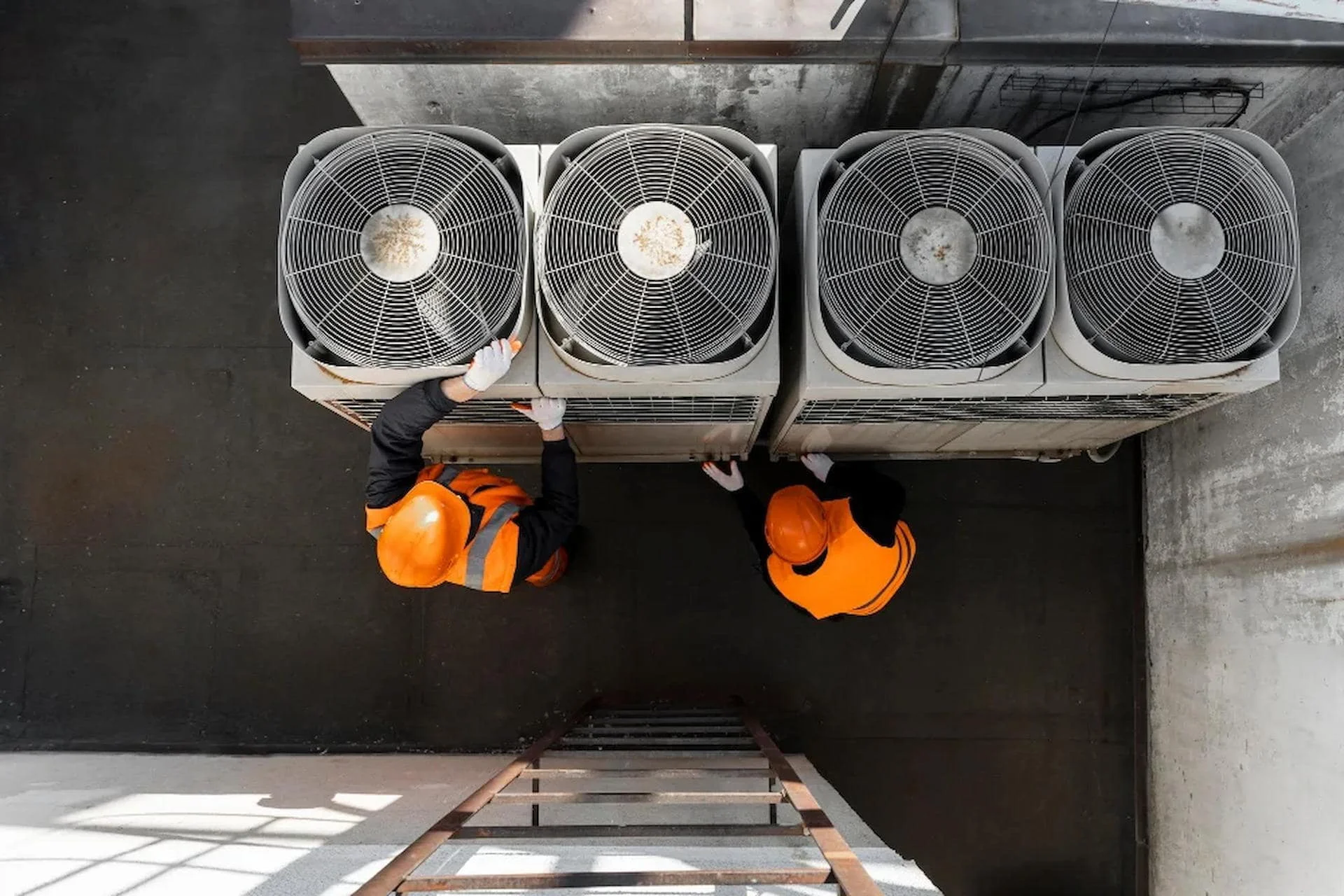
Your HVAC system works quietly in the background for most of the year, so it is easy to overlook small problems until they become major repairs. Whether it is struggling to keep rooms comfortable or making unusual noises, your heating and cooling system often gives early warning signs when something is not working properly. Ignoring these issues can lead to higher energy bills, reduced efficiency, and costly breakdowns during the hottest or coldest months of the year.
Homeowners try basic troubleshooting first, but some problems require the knowledge and tools of experienced HVAC service experts who can identify the root cause before the damage worsens. Recognising the warning signs early can help protect your system, improve indoor comfort, and extend the lifespan of your equipment.
Uneven Temperatures Throughout the Home
One of the clearest signs that your HVAC system needs attention is inconsistent temperatures between rooms. You may notice one area of the house feels too warm while another stays unusually cold. In some cases, the system may run continuously without reaching the temperature set on the thermostat.
Several issues can cause uneven heating or cooling, including blocked air ducts, failing components, dirty filters, or thermostat problems. Older systems may also struggle to distribute air efficiently as internal parts wear down over time.
While adjusting vents or replacing filters may provide temporary improvement, persistent temperature imbalance usually indicates a deeper issue that should be professionally inspected. Proper diagnosis helps prevent unnecessary strain on the system and restores consistent comfort throughout the home.
Strange Noises Coming From the Unit
HVAC systems naturally make some operational sounds, but sudden or unusual noises should never be ignored. Banging, rattling, screeching, or grinding sounds often signal mechanical problems that can quickly worsen if left untreated.
Common causes include:
- Loose or damaged internal components
- Worn belts or motor bearings
- Debris trapped inside the system
- Airflow restrictions
- Problems with the blower motor
A small mechanical issue can easily develop into a much larger repair if the system continues operating under stress. Prompt inspection can prevent further damage and reduce the likelihood of a complete breakdown during peak seasonal use.
Rising Energy Bills Without Increased Usage
A noticeable increase in energy costs is another strong indicator that your HVAC system may not be operating efficiently. If your household habits have remained the same but your monthly utility bills continue rising, the system could be consuming more energy than necessary to maintain indoor temperatures.
Reduced efficiency can result from several factors, including dirty coils, refrigerant leaks, clogged filters, ageing components, or poor airflow. When the system works harder to achieve the same level of comfort, energy consumption naturally increases.
Older HVAC units are especially prone to efficiency loss over time. Even systems that still function can gradually become more expensive to operate if maintenance issues are ignored. Professional servicing helps identify inefficiencies early and restores performance before operating costs climb further.
Weak Airflow From Vents
Poor airflow is a common problem that many homeowners initially dismiss, especially when the system still produces heated or cooled air. However, weak airflow often indicates underlying issues that reduce overall performance and place additional stress on the equipment.
You may notice that certain rooms take longer to cool or heat, or that airflow feels weaker than normal even when the fan is running at full capacity. Possible causes include blocked ducts, dirty filters, failing blower motors, or compressor issues.
Restricted airflow does more than reduce comfort. It can also increase wear on the system by forcing it to run longer cycles to reach the desired temperature. Addressing airflow problems early can improve energy efficiency and help avoid larger mechanical failures later.
Unpleasant Odours When the System Runs
Unusual smells coming from your HVAC system are often a warning sign that something requires immediate attention. Different odours can point to different problems within the system.
For example:
- Musty smells may indicate Mold or moisture buildup
- Burning odours can suggest overheating electrical components
- Rotten or stale smells may signal bacteria or debris inside ductwork
- Chemical-like odours could indicate refrigerant issues
Indoor air quality can quickly suffer when these problems are ignored. In addition to creating discomfort, some issues may pose health concerns or increase the risk of equipment damage.
Professional inspection is particularly important when odours persist after changing filters or cleaning visible dust around vents. Identifying the source early helps maintain both system safety and indoor air quality.
Frequent Cycling or Constant Running
HVAC systems naturally cycle on and off throughout the day to maintain indoor temperatures. However, if the system constantly turns on and off in short bursts or seems to run continuously without reaching the target temperature, it may be struggling to operate properly.
Frequent cycling can result from thermostat malfunctions, dirty components, airflow restrictions, or improperly sized equipment. Continuous operation may also indicate low refrigerant levels or declining system efficiency.
These patterns place significant strain on internal components and often shorten the lifespan of the system. The longer the issue continues, the greater the risk of major repairs or unexpected breakdowns.
Monitoring changes in how often your system runs can provide valuable insight into its overall condition. Early professional assessment can often prevent more expensive repairs later.
Why Seasonal Maintenance Matters
Many HVAC problems develop gradually and remain unnoticed until extreme weather places additional demand on the system. Seasonal inspections help identify minor issues before they become serious mechanical failures.
Routine maintenance typically includes:
- Inspecting electrical connections
- Cleaning coils and components
- Checking refrigerant levels
- Testing thermostat performance
- Examining airflow and duct conditions
- Replacing or cleaning filters
Regular servicing not only improves efficiency but also helps maintain consistent comfort and reduces the likelihood of emergency repairs during peak seasons.
Conclusion
Recognising early HVAC warning signs can save homeowners from costly repairs, unexpected breakdowns, and reduced indoor comfort. Problems such as inconsistent temperatures, unusual sounds, poor airflow, unpleasant odours, and higher energy bills often indicate that your heating and cooling system is struggling to operate efficiently.
Ignoring these issues can place additional strain on important HVAC components and shorten the lifespan of the entire system. Regular inspections, seasonal maintenance, and timely professional servicing help improve energy efficiency, maintain healthy indoor air quality, and ensure dependable performance throughout the year. By paying attention to these signs and addressing problems early, homeowners can protect their investment, reduce long-term operating costs, and keep their HVAC system running smoothly in every season.