

Termite Control are one of Australia’s most destructive pests, causing billions of dollars in property damage each year. These sneaky critters work around the clock, quietly destroying the structural integrity of homes whilst homeowners remain completely unaware. The scary truth is that by the time you notice visible signs of termites, significant damage has often already occurred.
We will explore why professional termite control services are essential for protecting your property. You’ll learn about the true cost of termite damage, why DIY methods often fall short, and how professional treatments work to safeguard your home. We’ll also cover how to choose the right pest control provider and why regular inspections are worth every penny. Let’s get stuck into it.
Understanding Termite Control Damage: Why It’s More Serious Than You Think
What Does Termite Control Damage Look Like?
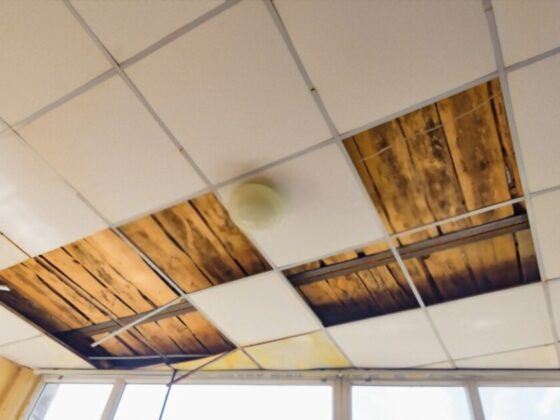
Termite Control damage isn’t always obvious to the untrained eye. You might notice hollow-sounding timber when you tap on it, or spot mud tubes running along your foundation walls. Doors and windows that suddenly stick or won’t close properly can also be telltale signs.
In more advanced cases, you might see sagging floors, crumbling timber, or even visible tunnels in wooden structures. Paint might bubble or peel, and you could notice small piles of what looks like sawdust near wooden areas. These signs often mean the infestation has been active for quite some time.
How Quickly Can Termites Destroy a House?
A mature termite colony can contain hundreds of thousands of individuals, all working together to consume wood 24 hours a day. While they won’t bring down your house overnight, a large colony can cause serious structural damage within three to eight years if left unchecked.
The rate of destruction depends on the termite species, colony size, and environmental conditions. Australian conditions are particularly favourable for termite activity, with our warm, humid climate creating the perfect breeding ground. This means damage can progress faster here than in cooler regions.

DIY vs Professional Termite Control: What’s the Real Difference?
Why Store-Bought Solutions Often Fall Short
Those termite sprays and baits from the hardware store might seem like a quick fix, but they rarely address the root of the problem. Store-bought products typically only kill termites on contact, leaving the colony intact and ready to continue feeding.
Termites build complex underground networks that can extend up to 50 metres from their nest. A surface-level treatment simply can’t reach the queen or the bulk of the colony. Plus, you might accidentally scatter the colony, causing them to establish multiple new feeding sites throughout your property.
Professional-grade products are significantly more effective and longer-lasting. They’re also applied using specialised techniques that target termites where they actually live and breed.
How Professional Termite Inspections Protect Your Investment
What Happens During a Professional Termite Control Inspection?
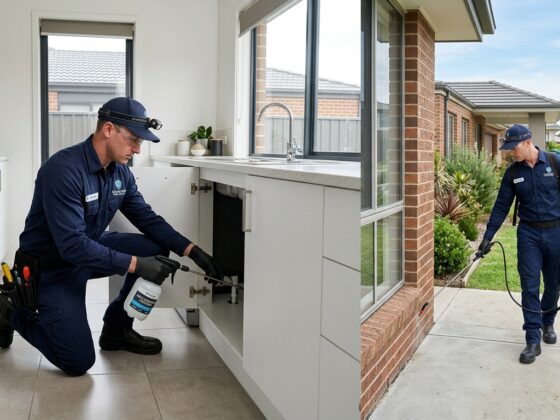
A thorough inspection covers every accessible area of your property. Technicians check subfloor spaces, roof voids, interior timber, exterior perimeters, and garden areas. They use specialised equipment like moisture metres, thermal imaging cameras, and radar detection devices.
These tools allow professionals to detect termite activity behind walls and under floors without causing damage. The inspection typically takes one to two hours, depending on property size. You’ll receive a detailed report outlining any findings, risk factors, and recommendations.
How Often Should You Get a Termite Inspection?
Australian Standards recommend annual termite control inspections for most properties. However, if you’re in a high-risk area or have had previous termite Control facing issues, more frequent inspections might be wise. Some homeowners opt for six-monthly checks for extra peace of mind.
Regular inspections help catch problems early when treatment is simpler and cheaper. Think of it as preventative maintenance for your biggest investment.
Warning Signs Professionals Can Spot That You Might Miss
Trained technicians know exactly what to look for. They can identify termite species from tiny wing fragments or droppings, spot early-stage damage invisible to homeowners, and recognise environmental factors that increase your risk.
Professionals also understand termite behaviour patterns and know where to look in your specific property type. They might find entry points you’d never think to check, like weep holes, expansion joints, or tree stumps near your foundation.
Professional Termite Control Treatment Methods Explained
Chemical Barrier Treatments
Chemical barriers create a treated zone around your property’s perimeter. Modern termiticides don’t just repel termites they’re designed so termites can’t detect them. Termites pass through the treated soil, pick up the chemical, and transfer it to colony mates through grooming and feeding.
This method effectively protects your home whilst gradually eliminating the colony. Installation involves trenching around foundations and drilling through concrete areas like paths and patios. When properly applied, chemical barriers provide long-lasting protection.
Termite Control Baiting Systems
Baiting systems work differently by using termites’ own behaviour against them. Bait stations are installed around your property, and termites consume the bait material and share it with their colony, including the queen.
This approach can eliminate entire colonies over time. It’s particularly useful for properties where chemical barriers are impractical or for homeowners who prefer minimal chemical use. Baiting systems require regular monitoring to maintain effectiveness.
Physical Barriers and Prevention
Physical barriers are typically installed during construction, creating an impenetrable layer between soil and structure. Materials include stainless steel mesh, crushed granite, and specially treated sheeting.
For existing homes, physical barriers can sometimes be retrofitted in accessible areas. Combining physical barriers with other treatment methods provides multiple layers of protection.
How Long Does Professional Termite Control Treatment Last?
Chemical barriers typically remain effective for five to eight years, depending on soil conditions and product type. Baiting systems provide ongoing protection as long as they’re maintained, usually through annual service agreements.
Most reputable companies offer warranties on their treatments, covering you for retreatment if termites return. Always check warranty terms before committing to a provider.

The Financial Benefits of Hiring Professional Termite Control Services
Protecting Your Property Value
A termite-free certificate is increasingly important for property sales. Buyers are savvy about termite risks, and evidence of professional treatment can actually add value to your home.
On the other hand, a history of termite damage or active infestation can significantly reduce your property’s market value. Investing in professional protection maintains your asset’s worth.
Does Home Insurance Cover Termite Damage?
Here’s something many homeowners don’t realise: most standard home insurance policies in Australia specifically exclude termite damage. Insurers consider termite protection the homeowner’s responsibility.
This makes professional termite control management even more critical. Without insurance as a safety net, you’re fully responsible for repair costs if termites strike.
Choosing the Right Termite Control Company
What to Look for in a Pest Control Provider
Choose a company with proper licensing and insurance. Check their experience with Australian termite species and ask about their treatment methods. Reputable providers will happily explain their approach and answer your questions.
Look for companies that offer warranties and follow-up services. Online reviews and recommendations from friends or family can also guide your decision.
Safeguarding Your Property for the Long Term
We have explored why professional termite control isn’t just a nice-to-have it’s essential protection for your property. From understanding the serious nature of termite damage to comparing DIY efforts with professional treatments, the evidence clearly points towards expert intervention.
Professional inspections catch problems early, whilst proven treatment methods create lasting barriers against these destructive pests. The financial benefits far outweigh the costs, especially considering insurance won’t cover termite damage and repairs can run into tens of thousands of dollars.
Your home is likely your biggest investment, so protecting it from termite control simply makes sense. Whether you’re due for an inspection or you’ve noticed warning signs, reaching out to a qualified termite control company is the smartest move you can make. Don’t wait until the damage is done take action today and enjoy the peace of mind that comes with knowing your property is properly protected.