
Heating and cooling systems work harder than many homeowners realize. From freezing winter nights to intense summer heat, HVAC systems run almost constantly to maintain indoor comfort. Over time, this continuous use can reduce efficiency, increase energy bills, and shorten the lifespan of important components. Many performance issues start small but gradually become expensive problems when left unaddressed.
Improving HVAC performance is not always about replacing an entire system. In many cases, consistent maintenance, smart usage habits, and early repairs can significantly improve efficiency and reliability throughout the year. Homeowners who stay proactive often experience better indoor comfort, cleaner air quality, and lower long-term costs.
Replace Air Filters Regularly
Air filters play a critical role in maintaining airflow and indoor air quality. When filters become clogged with dust, pollen, and debris, the HVAC system must work harder to circulate air. This added strain can reduce efficiency and increase energy consumption.
One of the smartest ways to avoid major breakdowns is scheduling professional inspections and timely HVAC repair in Helena, MT before seasonal demand places extra strain on the system. Small adjustments and preventative care can make a noticeable difference in how effectively an HVAC system performs across every season.
Schedule Seasonal HVAC Maintenance
Routine professional maintenance helps identify minor issues before they become major repairs. HVAC systems contain many interconnected parts that naturally wear down over time. Seasonal inspections ensure these components continue operating safely and efficiently.
Spring and autumn are usually the best times for maintenance appointments because technicians can prepare the system before peak heating or cooling seasons begin. During inspections, professionals typically clean coils, check refrigerant levels, inspect electrical connections, calibrate thermostats, and test overall system performance.
Improve Thermostat Management
Thermostat settings directly impact energy usage and HVAC workload. Many households waste energy by constantly adjusting temperatures throughout the day or by setting them far below or above necessary levels.
Programmable and smart thermostats offer a more efficient solution. These devices automatically adjust indoor temperatures based on daily routines, helping reduce unnecessary energy consumption without sacrificing comfort.
For example, slightly increasing the temperature during summer afternoons when nobody is home can reduce strain on the air conditioning system. Similarly, lowering the heating temperature overnight in winter can help reduce operating costs.
Keep Vents and Ducts Clear
Blocked vents and dirty ductwork can significantly reduce HVAC performance. Furniture, rugs, curtains, or household clutter placed over vents restrict airflow and force the system to work harder to distribute air evenly throughout the home.
Dust accumulation inside duct systems can also impact efficiency and indoor air quality. In some cases, leaks in the ductwork allow conditioned air to escape before it reaches living spaces. This can lead to uneven temperatures and higher energy bills.
Reduce Indoor Heat Gain During Summer
Many cooling systems struggle because homes absorb excessive heat throughout the day. Sunlight entering through windows, poor insulation, and heat-producing appliances can increase indoor temperatures and force air conditioners to operate longer.
Simple adjustments can reduce this strain considerably. Closing blinds during the hottest part of the day, using ceiling fans, and improving insulation around windows and doors can help keep indoor temperatures cooler naturally.
Homeowners experiencing uneven cooling or rising utility costs may benefit from professional evaluations and timely HVAC repair in Helena, MT to address hidden performance issues before summer temperatures peak.
Maintain Outdoor HVAC Units
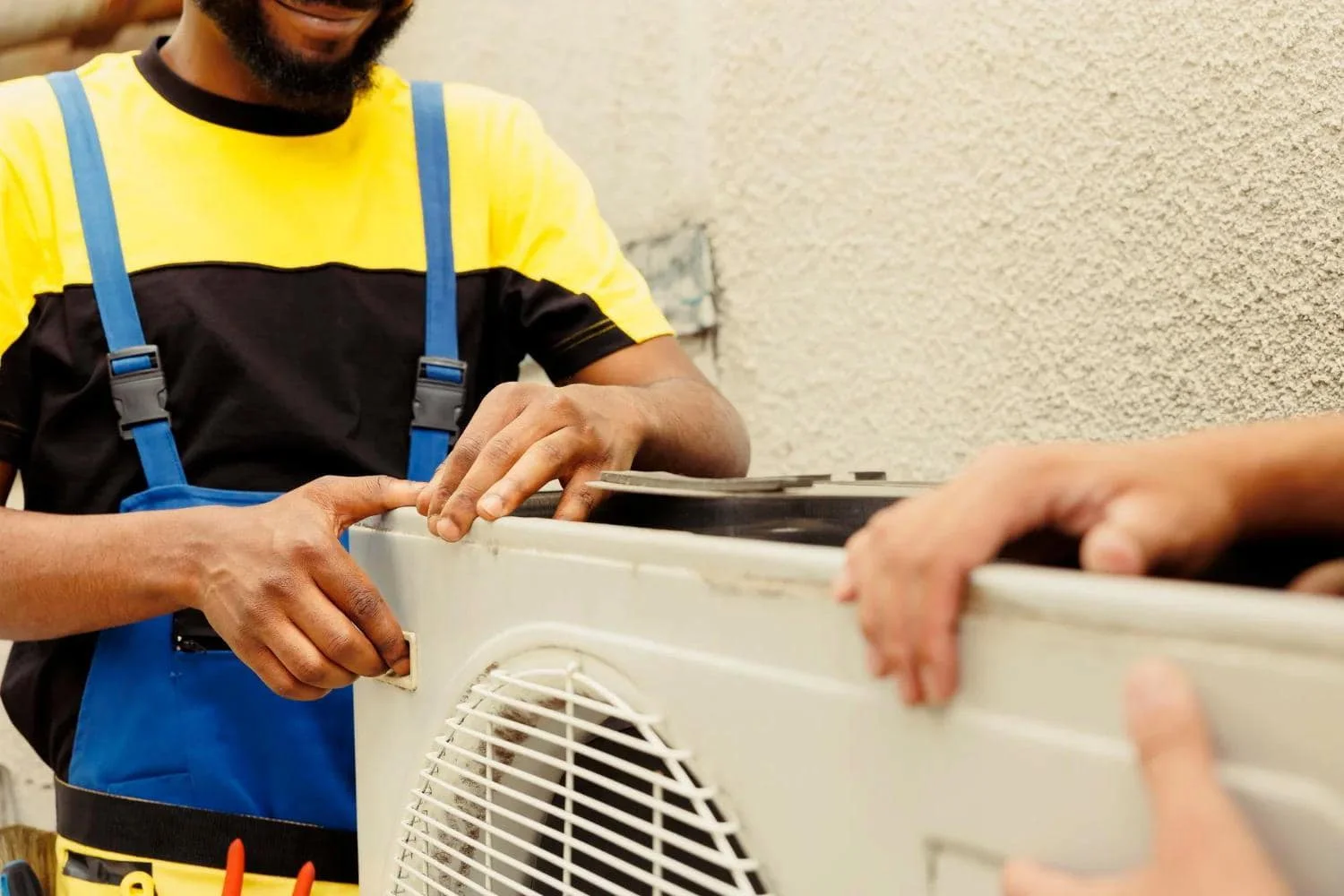
Outdoor condenser units require proper airflow to function efficiently. Leaves, dirt, grass clippings, and overgrown vegetation can block airflow around the unit, reducing cooling performance and increasing strain on the compressor.
Keeping at least two feet of clear space around the outdoor unit helps maintain proper ventilation. Gentle cleaning with a garden hose can remove surface debris, although deeper cleaning should be handled carefully to avoid damaging sensitive components.
Seasonal weather can also affect outdoor units. Snow buildup during winter and debris accumulation after storms should be cleared promptly to prevent airflow restrictions and potential damage.
Improve Home Insulation
Even the most efficient HVAC system will struggle if conditioned air constantly escapes from the home. Poor insulation allows warm or cool air to leak through walls, attics, windows, and doors, forcing the system to work continuously to maintain comfortable temperatures.
Adding insulation in key areas can significantly improve HVAC performance year-round. Weather stripping around doors and sealing small gaps near windows also helps reduce energy loss.
Pay Attention to Warning Signs
Many homeowners ignore early HVAC warning signs until complete system failure occurs. Strange noises, inconsistent temperatures, rising utility bills, poor airflow, or unusual smells often indicate developing problems.
Addressing these issues early usually results in simpler and less expensive repairs. Delaying service can allow minor faults to damage additional components, leading to larger repair bills or premature system replacement.
Wrapping Up
Maintaining strong HVAC performance throughout the year requires a combination of preventative maintenance, smart energy habits, and early problem detection. Small actions such as replacing filters, improving insulation, and scheduling seasonal inspections can dramatically improve efficiency while reducing long-term repair costs.
Modern HVAC systems represent a major investment for homeowners, making regular care essential for protecting comfort, energy efficiency, and equipment lifespan. By staying proactive and addressing issues before they escalate, homeowners can enjoy more reliable heating and cooling in every season while avoiding unnecessary strain on their systems.