
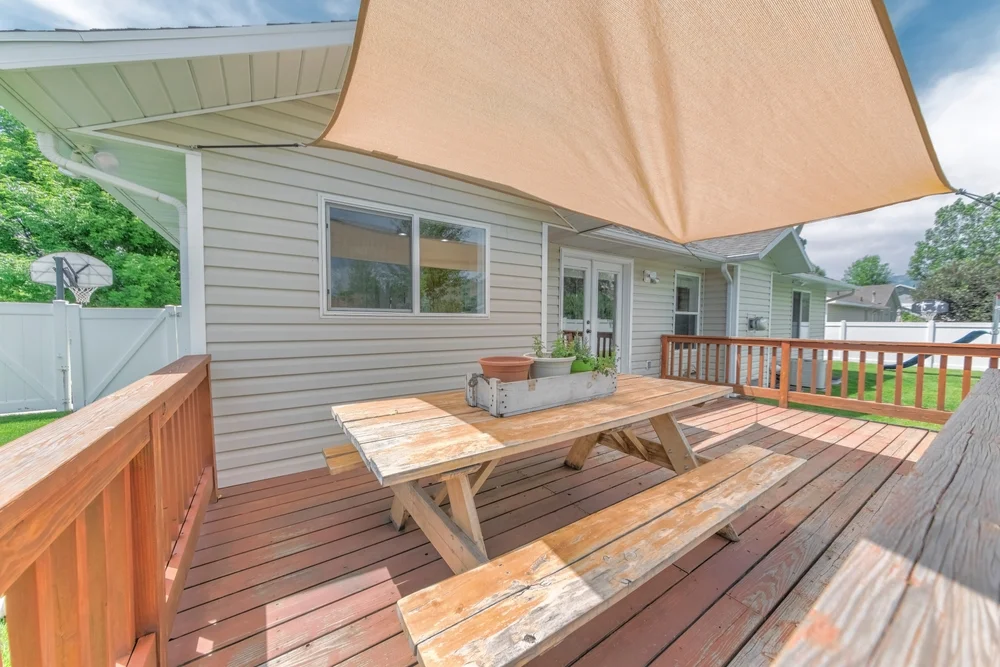
When you’re hunting for Custom made shade sails To keep the Aussie sun at bay, you’re after a solution that blends function, look, & durability. Below we’ll walk through everything you need to know – from fabric choices and design tools to installation quirks in Sydney, Melbourne, Brisbane, Perth & beyond. By the end you’ll have a clear picture of how a tailor‑made sail can transform a patio, poolside, or backyard into a cool retreat.
Why Choose Custom Made Shade Sails?
In my experience, off‑the‑shelf sails often miss the mark on size, colour, and mounting points. A Custom made shade sail Is cut to fit the exact geometry of your space so you avoid awkward gaps and excess fabric that flutters uselessly. And the visual impact? A perfect‑fit sail looks like it was designed for the house not slapped on after the fact.
What typically happens is you get a sail that matches your home’s palette, works with the prevailing wind direction, and integrates with existing structures like pergolas or solar panels — The thing is, a custom job lets you pick hardware that’s rust‑proof for coastal towns like Bondi, while inland spots such as Canberra can go for a heavier‑duty option.
- Exact dimensions – no guesswork.
- Colour matching to your façade or decking.
- Tailored hardware for local wind zones.
- Seam strength adjusted for intended use.
Fabric Options and Performance in Australia
Australian sun is relentless, so UV protection is non‑negotiable. The top three fabrics you’ll see from local manufacturers are polyester 210T, acrylic Sunbrella, & PVC‑coated canvas. Each has a distinct UV rating, water handling, & wind load capacity – all tested for Aussie conditions.
| Fabric | UV Rating (SPF) | Water Resistance | Wind Load (km/h) | Typical Lifespan |
|---|---|---|---|---|
| Polyester 210T | UPF 50+ | Water‑repellent | 80–90 | 5–7 years |
| Acrylic Sunbrella | UPF 50+ | Highly waterproof | 100–120 | 10–12 years |
| PVC Coated Canvas | UPF 40+ | Fully waterproof | 70–80 | 8–10 years |
From what I’ve seen acrylic Sunbrella dominates in coastal suburbs like Manly where salt spray and rain are constant. Polyester is a solid workhorse for shady backyards in the Blue Mountains while PVC shines on commercial patios in Perth where you need a heavy‑duty low‑maintenance surface.
- UV rating – higher the better for skin protection.
- Water resistance – crucial for rain‑prone regions like Cairns.
- Wind load – match to local council wind zones.
- Durability – consider seasonal wear and tear.
Design Shapes & Sizing Tools
Custom sails aren’t limited to the classic triangle — You can opt for squares, rectangles, diamonds, or even multi‑point freeforms that hug a pool deck or a pergola. The trick is getting the angles right; a small mis‑calculation can cause tension issues and premature wear.
Fortunately, Australian suppliers now offer an online sizing calculator that lets you input anchor points, desired overlap, and sail shape. The tool spits out a PDF with cut‑lines, hardware specs, and a suggested tension diagram. It’s a handy cheat sheet before you call a local installer in Sydney or Melbourne.
- Input anchor coordinates – roof beams, posts, or existing structures.
- Select shape – triangle, square, free‑form.
- Define overlap – usually 10‑15 % for extra shade.
- Get a printable plan – includes stitch type and hardware list.
Installation Considerations Across Australian Cities
Every state has its own wind‑zone classifications, so a sail that works in Hobart might need extra reinforcement in Darwin’s tropical breezes. In Sydney, most suburbs fall into Wind Zone 2, meaning a 150 kg tension load per corner is safe — In contrast, the Gold Coast’s Zone 3 calls for reinforced steel brackets and a higher‑grade fabric.
And don’t forget the ground conditions. A sand‑based garden in Adelaide may need concrete footings, while a compacted clay yard in Ballarat can use heavy‑duty ground screws. The right hardware – stainless steel D‑rings, turnbuckles, and tension bars – makes the difference between a sail that stays taut and one that flutters away.
- Check local wind zone – plan tension accordingly.
- Choose appropriate anchors – concrete, ground screw, or existing post.
- Use stainless steel hardware for coastal corrosion resistance.
- Hire a certified installer for complex multi‑point designs.
Maintenance & Longevity Tips
Even the toughest sail needs a bit of love. A quick rinse with a garden hose every few weeks prevents dust & pollen from grinding into the fibers. In Queensland’s humidity, a mild detergent solution once a month keeps mold at bay. & after a big storm, check the tension & re‑tighten any loosened turnbuckles.
What typically happens after a few years is the fabric’s colour can fade if it’s not UV‑treated. To combat that many Australian manufacturers now offer a UV‑fade‑resistant coating that you can re‑apply every 3–4 years. It’s a small step that adds years of visual appeal.
- Rinse regularly – removes grit & pollen.
- Use mild detergent for mold‑prone areas.
- Inspect hardware after high‑wind events.
- Re‑apply UV coating as recommended.
Environmental Impact and Sustainable Choices
When you pick a Custom made shade sail From a local Australian manufacturer, you’re supporting a supply chain that often uses recycled polyester or bio‑based acrylics — Some brands even offer a take‑back program where old sails are shredded and repurposed into insulation.
Honestly, the carbon footprint of a custom sail is lower than a pre‑fabricated metal pergola because the material weight is less and transport distances are shorter when you order from a nearby supplier in Brisbane or Perth. Plus, the ability to recycle at end‑of‑life means you’re not sending bulky fabric to landfill.
- Recycled polyester – reduces virgin plastic use.
- Bio‑based acrylic – lower embodied carbon.
- Take‑back programs – close the loop on material waste.
- Local production – cuts transport emissions.
Case Study – Brisbane Backyard Upgrade
John and Maya live in a low‑set home in the suburb of Carindale. Their backyard pool was exposed to harsh midday sun, making afternoon swims uncomfortable. They contacted a Sydney‑based shade sail installer who specializes in custom solutions for Queensland.
After a site visit, the team measured three anchor points: two existing deck posts and a newly installed steel post near the garden wall. Using the online sizing calculator, they designed a 3‑point triangular sail with a 5 m side length, opting for acrylic Sunbrella fabric with a UPF 50+ rating. The installer fitted stainless steel D‑rings & tensioned the sail to a 120 kg load per corner, suitable for the local wind zone.
Within a week the sail was up and the pool area dropped in temperature by an average of 6 °C during peak sun — The couple reported a noticeable reduction in their pool’s chlorine usage because the water stayed cooler and clearer — Over the next six months they only needed a quick hose rinse & a brief tension check after a summer thunderstorm. The custom design not only enhanced comfort but also added a sleek visual element that boosted the home’s curb appeal.
Conclusion
Custom made shade sails give Australian homeowners a versatile, durable, & stylish way to beat the sun. By picking the right fabric, using accurate sizing tools, & respecting local wind & ground conditions, you can create a shade solution that lasts for years without losing its colour or shape. Maintenance is straightforward, and the environmental benefits of locally sourced, recyclable materials make it a smart choice for the eco‑conscious Aussie.
Whether you’re in Sydney, Melbourne, Brisbane, Perth or any other corner of the country a tailor‑made sail can turn a hot exposed patio into a comfortable outdoor living space. I mean pair it with appropriate hardware keep an eye on tension and enjoy the shade that’s built just for you.