
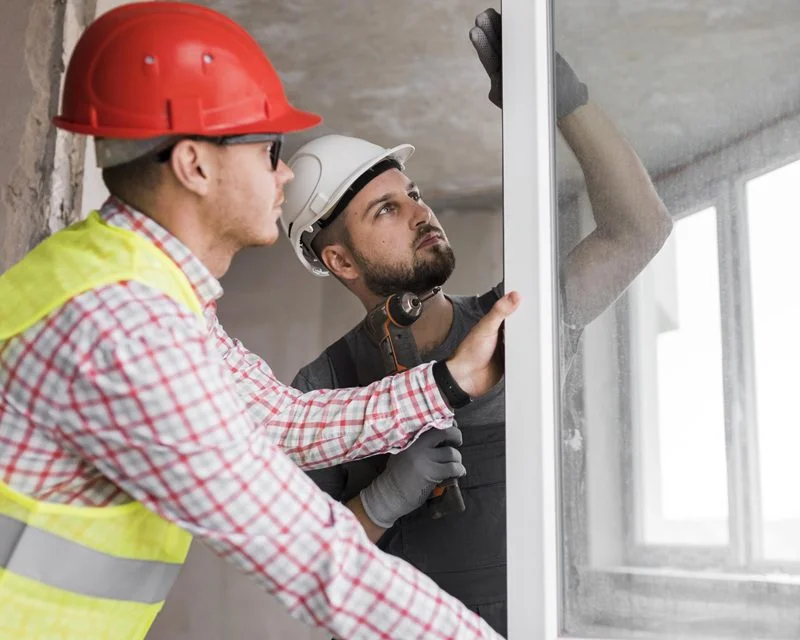
So, are you thinking about upgrading the windows for your place? Like, noticing how your energy bills kind of creep up every summer and you start blaming everything except the actual windows? And maybe you’re also trying to figure out, which kinds of window frames for houses, do what they claim. If you’re a Cranbourne homeowner, and you want something that looks good plus helps with efficiency, then yeah… you’re in the right spot.
Aluminium windows have been getting super popular across homes in Australia, and honestly, it’s not just trend talk. They bring together a sharp, clean look, long lasting strength, and energy performance that is difficult to ignore. Whether you’re doing a brand-new build or renovating an older home, learning how insulated aluminium windows work can mean less hassle, and usually less money wasted later.
In this piece we’re going to go through the key things you should know about insulated aluminium windows, and how they can genuinely upgrade your Cranbourne home experience. We’ll compare window types, explain thermal efficient windows in plain terms, and then we’ll move onto the practical stuff like costs and styles. And of course, we’ll cover the questions you should ask before you buy new home windows, because rushing that part is usually how people end up regretting it.
Understanding Aluminium Windows and Their Benefits
What Makes Aluminium Window Frames Different from Other Types?
Aluminium window frames sort of stand apart from the other options for a few reasons. For starters, they’re strong, but also not that heavy. So you can get larger window openings without stressing out about load or structure.
And unlike timber, which can warp, go rotten, or end up attracting termites, aluminium naturally resists a lot of those issues. In the Australian climate that matters, quite a lot. You typically don’t have to repaint every few years or do constant treatments just to keep them decent.
There’s also the slim profile. That usually means more glass and less frame visible. So you end up with better sightlines, more daylight coming in, and the whole place looks cleaner, even when you’re just passing through rooms.
Are Aluminium Windows Energy-Efficient?
This is one of those questions that pops up over and over, do aluminium windows really improve energy efficiency? The short answer is yes, but mainly when you pick modern insulated aluminium windows that include thermal breaks.
Older aluminium frames used to be known for letting heat move through too easily. But today, that reputation basically doesn’t match the reality anymore. Modern designs build in thermal barriers, which slow down heat transfer, keeping your home cooler during summer, and warmer in winter.
If you add double glazing to the mix, you can reduce how much you depend on heating and cooling. Translation: lower energy bills and a smaller environmental footprint, which is nice to have.
The Evolution of Insulated Aluminium Windows
The way aluminium windows are insulated has come a long way. In the earlier days, these frames were mostly just basic extruded profiles, with little to no focus on insulation.
Now though, manufacturers use advanced polyamide thermal breaks inside the frame structure. This forms a kind of insulating strip between the inside and outside aluminium portions. The outcome is noticeably better thermal performance, and in many cases, it can hold its own against timber and uPVC systems.
On top of that, Australian window makers have refined their systems for our harsher conditions. So, these windows aren’t just “fine”, they’re built to perform whether it’s scorching heat or cooler winter days.
Types of Window Frames for Houses: Comparing Your Options
Aluminium vs Timber vs uPVC: Which Is Best for Australian Homes?
When people compare types of window frames for houses, you’ll usually see aluminium, timber, and uPVC in the conversation. Each one has its supporters, so the real question is what fits Australian conditions best.
Timber can look amazing and it offers good insulation, but it does mean maintenance. In damp zones, or areas where termites are a concern, timber can turn into a headache.
uPVC is often cheaper and it needs less attention, but it can fade or discolour with time, and it doesn’t always deal with extreme Aussie heat as confidently as you’d hope.
Aluminium is that middle ground that works. It handles temperature swings without fading, twisting, or degrading. Plus, you usually only need light upkeep, like an occasional wipe down.
Why Aluminium Wins for Modern Home Window Design
If you’re going for a modern home window design, aluminium is tough to beat. Because the material is so strong, it can support slim sightlines. That creates the minimalist look modern architecture loves.
Then there’s powder coating. You can choose from a huge range of colours, and the finish tends to last for years without peeling or losing its colour fast. So you can match your window frames design to almost any architectural style.
Also, aluminium frames can fit larger glass panels more easily than many alternatives. So if you’re dreaming of floor to ceiling windows, or wide sliding door setups, aluminium makes that kind of layout far more achievable.
How Aluminium Windows Help with Energy Efficiency in Australian Climates
Thermal Efficient Windows: what they do, and why it matters
Thermal efficient windows basically make it harder for heat to move through. Heat still travels, though, in a few different ways, conduction through the frame and glass, convection because of air movement, and radiation from sunlight hitting the surface.
Modern thermal efficient windows try to tackle all of it at once. They use thermal breaks in the frame, so conduction doesn’t run wild. Then you’ve got quality seals that stop air leakage, which is a big one in real houses. On top of that, Low-E glass coatings help bounce back radiant heat, while you still get natural light coming in.
So yeah, when those pieces are in sync, your home feels more stable, and energy use tends to drop in a noticeable way.
Do Aluminium Windows Actually Keep Heat Out in Summer?
Yes. With the right setup, aluminium windows can do a solid job keeping heat out during those hard Cranbourne summers. The big difference usually comes from the glazing and the coating choices.
For example, double glazing plus a Low-E coating helps reflect solar heat before it reaches the interior. Add thermally broken frames, and the whole system cuts down heat gain a lot. After upgrading, some homeowners say their air conditioning doesn’t need to run nearly as often, which is kind of the point.
Depending on your window orientation, tinted or reflective glass can help too—especially if you’ve got windows facing north or west, where the sun can be relentless.
How Do Energy-Efficient Windows Australia Standards fit into this?
Energy-efficient windows Australia standards have really become more important over time. Windows are now given energy ratings that are almost like appliances, so you can compare how they perform without doing a ton of guesswork.
Try to look for windows that meet or exceed Nathers targets. In Cranbourne’s climate zone, you’ll typically want strong U-values, which is the insulation level, and SHGC ratings, which is about how much solar heat is allowed through.
Good manufacturers usually provide the numbers clearly, not just marketing lines. Ask for the specs and documentation when you’re shopping for new windows for my home. If someone won’t share that info, it’s worth taking a step back.
Buying New Windows for My Home: What Cranbourne Residents Should Keep in Mind
How much do aluminium windows cost in Australia?
If you’re buying new home windows, budget matters, like… a lot. Aluminium windows usually cost more than uPVC, but they often come in under premium timber options.
In general, you might pay anywhere from $400 to $1,200 per square metre, depending on what you choose. Double glazing, thermal breaks, and higher-end hardware will push the price up, but they can pay you back through energy savings and better durability over time.
Get multiple quotes and compare like-for-like specs. The cheapest quote is not always the best deal once you look at the whole lifespan of the window.
What to look for before you buy new home windows
Price is only one part of it. When you shop, check the warranty first. Reputable brands usually stand behind their products for 10 years or more, and that usually says something.
Then look at the hardware quality, because hinges and locks get used every day. Also ask about glass options and the energy ratings they’re claiming. Enquire about lead times and installation services too, so you aren’t surprised later.
Good suppliers will answer questions and provide detailed specifications without being difficult. If they’re evasive, it’s often a red flag, even if the brochure looks shiny.
The Long-Term Value of Investing in Quality House Window Frames
Durability and Low Maintenance Benefits
From my experience, well-made aluminium windows for my house can easily go 30 to 40 years, sometimes more, with only light upkeep. And yeah that “small” maintenance part matters when you’re trying to work out real value, not just the upfront price.
Timber, for example, tends to need repainting and regular attention. uPVC can also start to lose its form or overall performance over time. Aluminium on the other hand just keeps going. Most days all it really needs is an occasional wipe down, using soapy water, and you’re done. The hardware might need a minor tweak after a few years, but that’s usually quick, and straightforward.
Because of that, you’re not constantly thinking about replacements, which makes the initial investment feel a lot more sensible.
How aluminium windows affect property value
When you look at what buyers want, window quality comes up more often than people expect. Real estate agents often mention that quality aluminium windows help boost property value. Not only do they improve the overall look, but they also bring practical advantages like better energy efficiency.
A lot of buyers now actively look for thermal efficient windows. If a home already has them installed, that becomes an obvious bonus—and people will often pay extra for that kind of comfort. It’s not just a present-day perk; it’s something you carry into the selling stage too.

Making the right choice for my house windows
Picking new windows for my home is honestly a big decision. It affects day-to-day comfort, your power bills, and even how the place is viewed if you decide to sell later. Aluminium windows bring a strong mix of durability, modern appearance, and solid thermal performance, which is pretty much tailor made for Australian conditions.
We’ve covered a lot today, from how thermal breaks actually work to looking at current design trends in Cranbourne. The main point, if I had to sum it up, is this: modern insulated aluminium windows have moved on from the old reputation, and they now sit among the best options for energy efficiency plus contemporary style.
If you’re planning an upgrade, don’t rush. Spend a bit of time researching suppliers, and don’t “cut corners” just to save a few bucks. Get multiple quotes, ask plenty of questions, and confirm the products align with current energy-efficient windows Australia requirements. Honestly, your future self, and your electricity bill, will likely be pretty grateful that you chose carefully.