
Australia’s climate can swing from scorching heatwaves to intense storms, and even bushfire smoke. When the weather turns extreme, a well-maintained air conditioning system can keep your home comfortable and protect your investment. This guide walks you through the steps you need to take before the season changes, offers local tips, and answers the most common questions Australians have about air conditioning.
Understanding How Severe Weather Affects Air Conditioning
Air conditioning units are designed to work year-round, but extreme conditions can put extra strain on components. Heatwaves raise indoor temperatures, storms bring wind-driven debris, floods can cause water damage, and bushfire smoke can clog filters. Knowing which hazards are most likely in your region helps you prioritize the right protective measures.
Typical Australian Weather Challenges
- Heatwaves:Temperatures above 35 °C for several days increase compressor load.
- Storms and high winds:Flying debris can damage the outdoor coil and fan.
- Flooding:Low-lying homes may experience water ingress around the condenser.
- Bushfire smoke:Fine particles settle on filters, reducing airflow.
Pre-Season Inspection Checklist
A thorough inspection before the severe weather season begins can catch problems early and avoid costly repairs. Use the checklist below as a roadmap for a systematic review of your air conditioning system.
Visual Inspection of the Outdoor Unit
- Look for dents, rust, or loose bolts on the condenser housing.
- Check that the unit sits level on a solid pad to prevent vibration.
Filter Maintenance
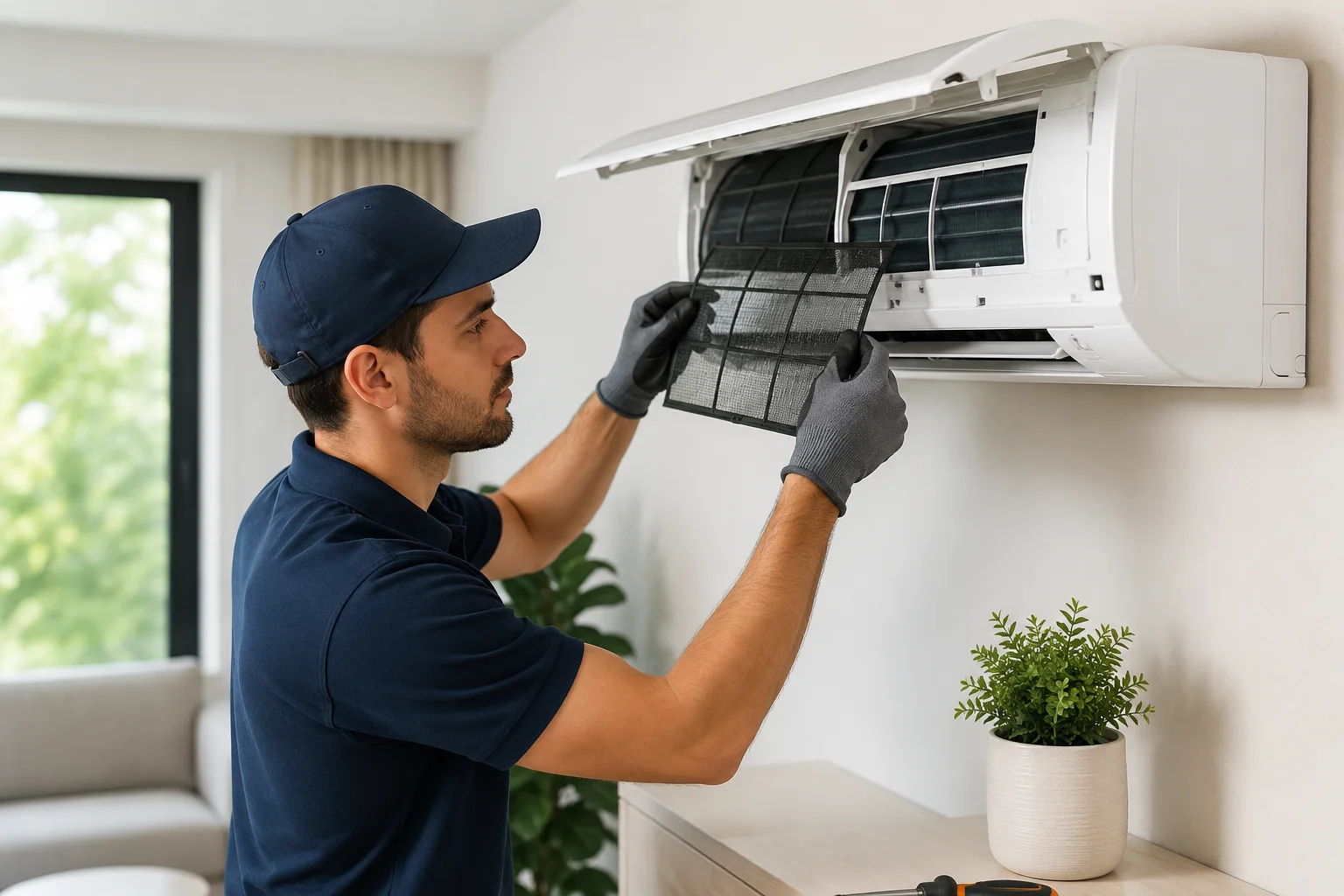
- Remove and inspect the indoor filter. If it’s dirty, replace it with a new one.
- For homes near bushfire zones, consider a high-MERV filter to capture fine smoke particles.
Cleaning the Condenser Coil
- Turn off power at the breaker before cleaning.
- Use a soft brush or a garden hose on a low-pressure setting to clear dust and leaves.
- Avoid high-pressure sprays that can bend the fins.
Refrigerant Level Check
- Low refrigerant can cause the compressor to overheat during a heatwave.
- Ask a licensed technician to measure the pressure and top up if needed.
Thermostat Calibration
- Ensure the thermostat reads the correct temperature.
- Replace old batteries and update any firmware if you have a smart thermostat.
Protecting the Outdoor Unit
The outdoor condenser is the most exposed part of an air conditioning system. Simple protective actions can shield it from wind, rain, and debris.
Installing a Protective Cover
- Use a breathable cover designed for air conditioners. It should keep rain out while allowing airflow.
- Secure the cover with straps to prevent it from being blown away during a storm.
Securing the Unit Against High Winds
- Install a wind brace or mount the unit on a sturdy platform.
- Check local council regulations for any height or placement restrictions.
Managing Debris and Foliage
- Trim trees and shrubs at least 1 meter away from the unit.
- Clear leaves and twigs after each storm to maintain proper airflow.
Electrical Safety and Power Supply
Severe weather can cause power surges and outages. Protecting the electrical side of your air conditioning system helps avoid damage and keeps the unit ready when power returns.
Surge Protectors and Circuit Breakers
- Install a dedicated surge protector for the air conditioner’s circuit.
- Make sure the circuit breaker complies with AS/NZS 3000 (Australian/New Zealand wiring rules).
Backup Power Options
- Consider a standby generator sized for your air conditioning load.
- In regions prone to blackouts, a battery backup system can keep the thermostat running.
Local Electrical Codes
All electrical work must be performed by a licensed electrician. The Australian Consumer Law (ACL) and the Australian Competition and Consumer Commission (ACCC) enforce strict standards for safety and warranty protection.
Energy-Efficiency Tips for Hot Weather
Keeping your home cool while the power bill stays reasonable is a top priority. The following habits help you get the most out of your air conditioning system during a heatwave.
Set an Optimal Temperature
- Maintain the thermostat at 24 °C (75 °F) when you’re home.
- Raise the temperature by 2 °C when you’re away to save energy.
Use Ceiling Fans and Portable Fans
- Fans circulate cool air and allow you to set the thermostat a few degrees higher.
- Turn fans off when you leave the room to avoid unnecessary energy use.
Zoning and Smart Controls
- If your system supports zoning, cool only the rooms you use.
- Smart thermostats can learn your schedule and adjust settings automatically.

Choosing a Local Service Provider
Finding a trustworthy HVAC contractor is essential for both routine maintenance and emergency repairs. Australian regulations require providers to hold a valid licence and insurance.
Licensing and Consumer Protection
- Look for a licence number on the contractor’s website or business card.
- Check the ACCC’s “Check a Business” tool to verify compliance.
Examples of Australian Providers
- Origin Energy – offers air conditioning installation and service plans.
- AGL – provides maintenance contracts for residential units.
- Local specialists – such as “Sydney Cool Air” or “Melbourne Climate Solutions”, often have faster response times.
Comparing Quotes
- Ask for a detailed breakdown of parts, labour, and warranties.
- Prefer companies that include a post-service inspection.
DIY vs Professional Maintenance
Some tasks can be safely performed by homeowners, while others require a qualified technician. Knowing the line between DIY and professional work helps you stay safe and keep warranties intact.
When DIY Is Appropriate
- Changing or cleaning filters.
- Cleaning the outdoor coil with a garden hose.
- Checking thermostat batteries.
When to Call a Professional
- Inspecting refrigerant levels.
- Repairing or replacing the compressor.
- Electrical work, including wiring or breaker replacement.
Questions and Answers: Common Questions About air conditioning in Australia
Below are the most frequently asked questions by Australian homeowners. The answers are tailored to local conditions and regulations.
Q: How often should I service my air conditioning unit in Australia?
A: A professional service at least once a year, preferably before the summer heat. If you live in a high-dust area or near bushfire zones, consider a second service after the fire season.
Q: Are there any government rebates for installing energy-efficient air conditioning?
A: Yes. The Australian Government’s “Energy Efficient Home Improvement” program offers rebates for qualifying split-system units with a minimum SEER rating. Check the Department of Industry, Science, Energy and Resources website for the latest offers.
Conclusion: Your Path to a Successful air conditioning in Australia
Preparing your air conditioning system for severe weather is a blend of regular maintenance, protective measures, and smart energy habits. By following the checklist, securing the outdoor unit, complying with local electrical codes, and partnering with a licensed Australian service provider, you can keep your home comfortable and avoid costly breakdowns. Take action now: schedule a professional inspection, upgrade filters if you’re near bushfire zones, and consider a surge protector for added peace of mind. With these steps, your air conditioning will be ready to face any Australian weather challenge.