

Roof painting Brighton isn’t only about that fresh look, i mean it’s also a practical defence against the salty sea breezes, sharp UV, and the odd spell of heavy rain that can slowly chew through normal coatings. In this little guide I’ll walk you through the paint types that really hold up in Brighton coastal climate, the exact steps a pro crew follows, how to choose a local contractor with a solid warranty and not just “good vibes”, and the maintenance routine that keeps the colour vibrant for years without the fuss.
Why Roof Painting Matters In Brighton
From what I’ve seen, a well painted roof in Brighton can add up to 15% to a property’s resale value, an it also cuts down on heat gain through the summer months, when temps regularly hit 33–35°C – and well, there’s more to it. The salt in the air, accelerates corrosion on metal roofs, so a quality coating ends up acting like a barrier, preventing rust before it really starts. In my experience, homeowners who skip the coating often end up spending more on repairs later on, like way later.
-
Reduces heat transfer by up to 20% with reflective pigments.
-
Stops rust formation on steel and aluminium decking.
-
Improves water‑tightness, lowering the risk of leaks after heavy rain.
And the visual impact is immediate. A bright, clean roof makes a modest beach‑side cottage on Beach Road look like a modern showcase, while a darker tone can blend with surrounding sand dunes for a low‑key aesthetic. The right colour also complements the typical Victorian‑era timber facades you find throughout Brighton.
Choosing The Right Paint For Coastal Conditions
What typically happens is that generic interior paints are tossed onto roofs and then fail within a couple of years. For Brighton’s salty, UV‑intense environment you need a weatherproof roof paint that’s specifically formulated for metal and tile. Ah, Australian roof paint suppliers such as dulux, taubmans and haymes now offer silicone‑based and acrylic‑based coatings that resist salt‑spray and uv degradation.
-
Silicone‑based coatings: flexible, great for metal roofs, 10‑year warranty.
-
Acrylic‑based coatings: budget‑friendly good for terracotta tiles, 5‑year warranty.
-
UV‑resistant pigments: reflect up to 70% of solar radiation.
In my experience, the best colour for a coastal home is a light‑reflective shade like “Coastal White” or “Sun‑Kissed Beige” from the Dulux Weathergard range to be honest, these hues stay cooler and keep the interior temperature down, which is a bonus for energy bills. And if you’re after an eco‑friendly roof coating, look for low‑VOC products certified by Green Building Council Australia; they contain fewer volatile compounds while still delivering durability.
Step‑By‑Step Process For A Professional Roof Painting Project
Pre‑Inspection And Surface Preparation
The first day on site is a thorough inspection. A qualified crew will check for rust spots, loose tiles, & gutter blockage. Any damaged sections are repaired before the first is applied. In Brighton, the typical roof area is about 120‑150 m² for a family home, so you can expect a crew of two to three workers for a two‑day prep.
-
Inspect for rust and corrosion – use a rust‑removal gel if needed.
-
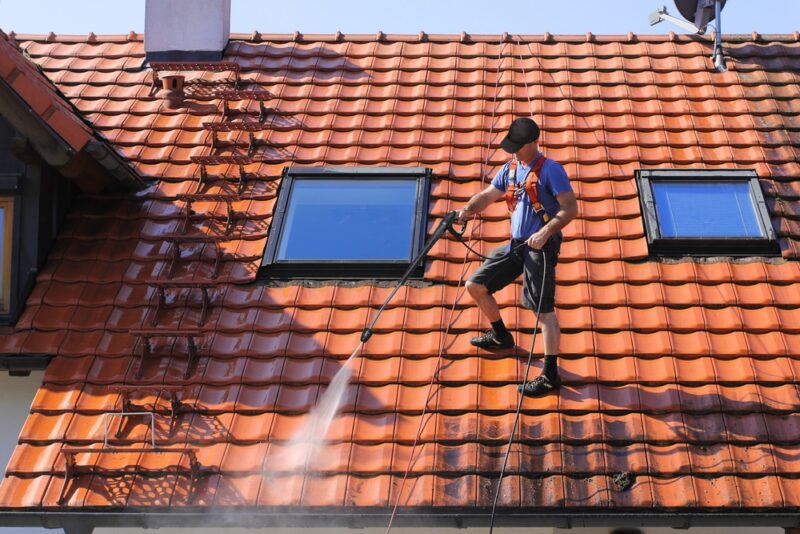
Clean debris with a pressure washer set to 1200 psi.
-
Repair cracked tiles with a polymer‑based filler.
Priming And Paint Application
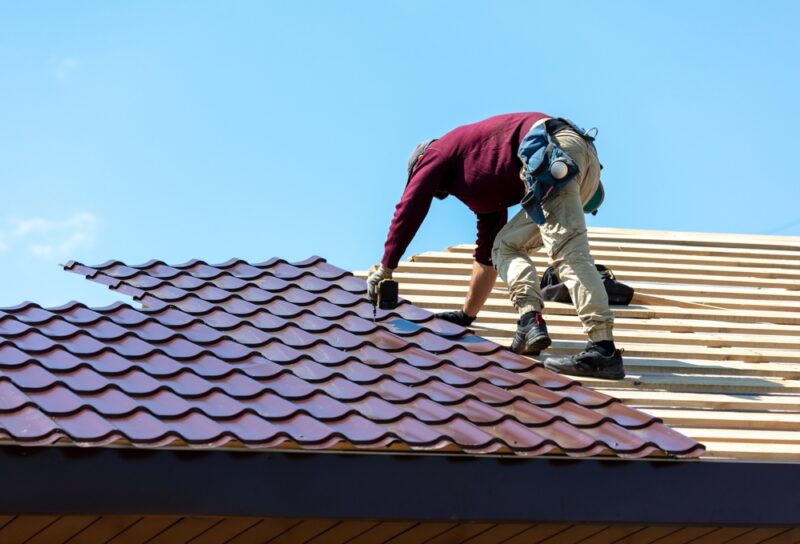
After the surface is dry, a primer designed for salty environments is rolled on. I always recommend a high‑adhesion primer like “dulux metal primer 5 l”. Once the primer cures (usually 4‑6 hours), the topcoat is applied with a spray rig that can cover up to 30 m² per hour. The crew works in 100‑square‑metre zones to keep the finish even.
-
Primer cure time: 4‑6 hours depending on humidity.
-
Topcoat: two‑coat system for extra protection.
-
Spray rig: reduces overspray & speeds up the job.
Curing And Final Inspection…
After the final coat, the roof needs at least 24 hours of dry weather before it can be walked on. The crew will then walk the roof with a flashlight to spot any missed spots. In Brighton’s climate, it’s wise to schedule the cure period during a dry spell; the local weather app usually predicts a window of 3‑4 clear days in October.
-
Dry‑weather cure: 24‑48 hours.
-
Final walk‑through check for uniform colour and coverage.
-
Document the work: take before‑and‑after photos for warranty.
Hiring Local Experts: What to Look For In A Brighton Painter
When you’re searching for roof painting brighton specialists, the first thing to check is licensing and insurance. Honestly, a reputable contractor will display their Victorian building authority licence & show proof of public liability cover. In my experience, the best crews have been in business for at least 10 years & can provide a written warranty of 10‑12 years on the coating.
-
License number: VBA 12345678 (example).
-
Insurance: million public liability.
-
Warranty: 10‑year workmanship guarantee.
And don’t forget to ask about their supply chain. Like, companies that source paint directly from Australian roof paint suppliers avoid middle‑man mark‑ups and can guarantee the product’s freshness – an important factor in a humid coastal environment.
Timing, Weather, And Seasonal Considerations…
Brighton experiences a Mediterranean‑like pattern: hot, dry summers & mild, wet winters. The optimal window for roof painting is from early October to late March when temperatures stay between 18‑30°C and rainfall is under 30 mm per month. To paint in June can lead to condensation issues and longer cure times.
-
Best months: Oct‑Mar.
-
Average summer temp: 28‑33°C.
-
Rainfall threshold: <30 mm/month.
But weather can change quickly, especially when the sea breeze picks up. A good contractor will monitor the forecast and pause the work if humidity spikes above 80 %. This prevents the paint from blending & ensures a smooth finish.
Maintenance & Longevity After The Job Is Done
Even the best roof coating sort of needs a little love, right. I would say do a visual inspection at least once a year, ideally after those spring rains. You’re looking for chalky spots, that can signal UV wear, and then you clean the roof with a soft brush and a mild detergent. For Brighton homes that have solar panels, use a low-pressure hose, so you don’t end up damaging the coating too much.
-
Annual inspection: check for chalking and rust.
-
Cleaning: soft brush, mild detergent, pressure <1200 psi.
-
Touch‑up: re‑coat small areas within 2‑3 years if needed.
And keep the gutters clear — Blocked gutters cause water to sit on the roof edge, which can lift the paint at the eaves. A quick gutter sweep every six months keeps the whole system humming.
Eco‑Friendly Options And Sustainability
Eco‑friendly roof coating is becoming a standard in Brighton, especially for owners who want low‑VOC products. Like “eco‑shield” offer a silicone‑based coating that’s certified by the Australian green building council. These paints contain less than 50 g/L of volatile organic compounds, which means better indoor air quality when you work on the roof.
-
Low‑VOC threshold: <50 g/L.
-
Certification: Green Building Council Australia.
-
Recyclable packaging: 100 % recyclable containers.
In my experience, the eco‑friendly option also adds a slight boost to the roof’s reflective rating, helping to keep the house cooler and reducing the need for air‑conditioning during summer peaks.
Conclusion
Roof painting in Brighton is a smart investment, it helps shield your home from those salty breezes, harsh UV, and yes, the odd downpour, while it also gives the place a fresh market‑ready appearance. If you pick the correct weatherproof roof paint, then do a proper prep and application, plus get a licensed local crew (not just anyone), and keep an eye on seasonal timing, and routine maintenance, you can end up with a roof that looks good and holds up for a decade or more. Also, the eco-friendly roof coating choices are a lot easier to find now, so you can be more responsible about it without giving up real performance, in a way. Keep these notes close by, and your Brighton home should stay bright, safe, guarded, and honestly kind of impressive for years.