

Retaining walls are the backbone of a functional garden in Doncaster, especially when you’ve got sloping terrain and want to maximise usable space. In this guide I’ll walk you through the five secrets that make a retaining wall both sturdy and stylish, from picking the right material to navigating council permits, and I’ll sprinkle in practical design ideas that suit the typical Melbourne‑suburban home. You’ll come away with a clear roadmap for building a wall that stands up to our wet winters and hot summers while adding real value to your property.
1. Here’s The Thing: Understand Local Soil & Climate Conditions…
From what I’ve seen in Doncaster, the most common soil type is a mix of clay and loam that can swell after rain and shrink during dry spells, and this movement can put pressure on a retaining wall, so you need a foundation that accommodates that shift. The key is to dig down to a stable sub‑soil layer, usually about 600 mm deep, and compact it in layers of 150 mm each — Doing this creates a solid base that reduces the risk of settlement.
-
Test the soil moisture content before you start.
-
Use a vibrating plate compactor for each layer.
-
Check for drainage pipes or underground services.
In my experience, adding a 100 mm layer of crushed stone at the bottom improves drainage dramatically. Like, the stone acts as a capillary break, letting water flow away from the wall rather than building up behind it. Pair this with a perforated drainage pipe wrapped in geotextile fabric, and you’ve got a system that can handle the heavy autumn rains that Doncaster gets.
2. Choose The Right Materials For Doncaster Gardens
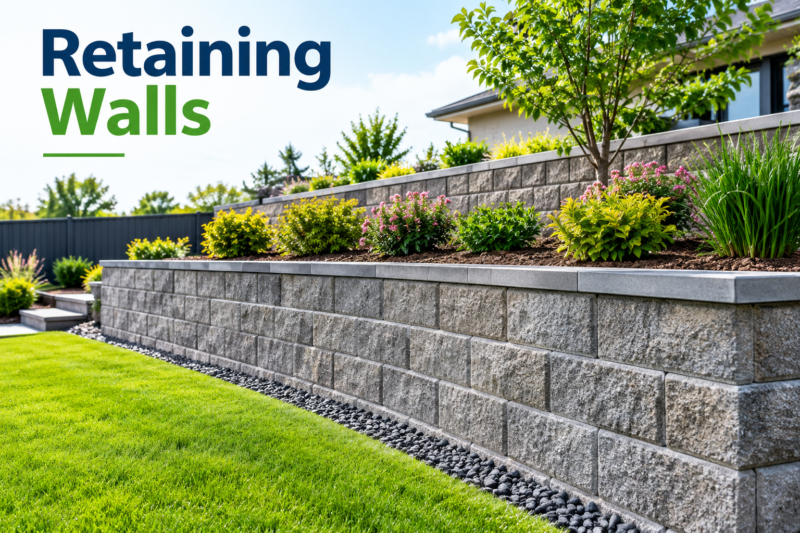
When it comes to material choice, the local climate pushes you toward options that resist moisture and temperature swings. Concrete blocks are a favourite because they’re easy to stack, have built‑in drainage holes, and can be finished with a range of face treatments. If you prefer a more natural look, split‑face sandstone from the nearby quarry in Victoria blends beautifully with the native garden aesthetic.
-
Concrete retaining wall panels – quick to install, low maintenance.
-
Natural stone – higher upfront effort timeless appeal.
-
Recycled timber – eco‑friendly but needs regular inspection.
The thing is, timber retaining walls can rot if they’re not properly treated, especially in the humid summer months — I’ve noticed that using a pressure‑treated hardwood with a marine‑grade finish extends the lifespan by at least 10 years — For homeowners who want a low‑maintenance solution, a concrete block system with a waterproof membrane behind it is the safest bet.
3. Design Secrets For Aesthetic Appeal
Design is where you can really make your garden stand out. One trick that works well in Doncaster is to stagger the block courses creating a “stepped” look that breaks up the mass of the wall. Here’s the thing: this not only looks modern but also reduces the pressure on any single point of the structure.
-
Use a 15‑degree slope for a gentle visual transition.
-
Incorporate built‑in planters to soften the wall’s edge.
-
Add low‑level LED lighting for evening ambience.
Another idea is to combine materials – a concrete base topped with a veneer of reclaimed brick — The brick adds texture and colour contrast, while the concrete underneath handles the structural load. In my experience, a 30 cm high “cap” of brick at the top of the wall protects the concrete from direct rain impact and gives you a clean, finished edge.
4. Getting Council Approval For Retaining Walls In Doncaster
Doncaster falls under the Victorian Building Authority and any retaining wall over 600 mm in height needs a permit. Process starts with a site‑specific design that meets the Australian retaining wall design standards. You’ll need to submit structural calculations a soil report and a drainage plan to the council.
-
Prepare a detailed engineering drawing.
-
Include a geotechnical report from a local consultant.
-
Attach a drainage layout showing pipe locations.
What typically happens is the council reviews the submission within 10 business days and may request minor adjustments. Here’s the thing: make sure you address any feedback promptly; otherwise, you could face a delay of several weeks. A licensed structural engineer sign off on the design speeds things up and gives you peace of mind.
5 — DIY vs Professional Installation…
DIY retaining wall kits are available at Bunnings & local hardware stores and they can be a cost‑effective option for walls under 1 m. However the truth is that a poorly built wall can fail in a single storm leading to expensive repairs. If you’re comfortable with basic masonry and have the right tools a block kit with a pre‑drilled drainage channel can be a weekend project.
-
Ensure you have a level, a spirit level, and a compacting tool.
-
Follow the manufacturer’s instructions to the letter.
-
Inspect each course for level before adding the next.
In my experience, hiring a reputable Doncaster retaining wall contractor for walls taller than 1 m is the smartest move. Professionals bring equipment like a mini‑excavator and have the expertise to backfill correctly, which is critical for long‑term stability.
6. Maintenance And Longevity Tips
Even the best‑built retaining walls need a little love now and then. The most common issue in Doncaster is water infiltration behind the wall, which can cause frost heave in winter. To combat this, inspect the drainage pipe annually and clear any debris that may have clogged it.
-
Check for cracks in concrete blocks and seal them with a flexible mortar.
-
Re‑apply waterproof sealant to stone surfaces every 5‑7 years.
-
Trim back vegetation that roots near the wall to prevent pressure.
The thing is, a simple visual inspection after each heavy rain can catch problems early, and if you notice any movement, add more backfill material & re‑compact it to restore support. By staying on top of these tasks, your retaining wall can last for decades without major intervention.
7. Conclusion —
Retaining walls in Doncaster require a blend of solid engineering, smart material choice, & a dash of design flair. By understanding the local soil, choosing the right material, complying with council requirements, and deciding whether to DIY or hire a contractor, you can build a wall that not only holds back earth but also enhances your garden’s look. Keep up with routine maintenance, and your retaining wall will stay strong through every season. Follow these five secrets, and you’ll have a garden that works for you, not the other way round.