
When your hot water service goes down, it’s a hassle that hits every morning. In this guide we’ll walk through the typical problems you’ll see in Doncaster, how to pick the right system for the local climate, what an installation entails, and the steps to keep everything humming. By the end you’ll know exactly what to ask for when you call a plumber, and how to avoid future headaches.
Common Issues with Hot Water Service in Doncaster
Doncaster’s temperate climate and occasional hard water can trip up any hot water service — The most frequent complaints are lukewarm showers, strange noises, and occasional leaks from the storage tank. From what I’ve seen, the culprit is often mineral buildup in the heat-exchanger, especially after a dry summer when water hardness spikes.
What typically happens is the system’s thermostat gets confused leading to a “cold water sandwich” where hot water is followed by a burst of cold before heating up again — This is common in gas-fired units that haven’t been flushed in a few years. The fix is usually a descaling service and a quick sensor check.
- Symptoms: fluctuating temperature, no hot water, odd smells.
- Root causes: hard water deposits faulty thermostat low gas pressure.
- Quick fix: reset the system, bleed air, schedule a professional flush.
Choosing the Right System for Local Conditions
In Doncaster you have a few solid options: traditional storage tank heaters, continuous-flow (tankless) units, heat-pump water heaters, and solar-assisted systems — The decision hinges on household size, roof orientation, and how much you value energy efficiency.
For a four-person family with a north-facing roof, a solar-assisted heat-pump combo can slash electricity use by up to 70 %. If you live in a townhouse with limited roof space, a gas continuous-flow heater gives instant hot water without a big footprint.
- Storage tank: cheap upfront, good for large households, slower recovery.
- Continuous-flow: instant hot water, higher upfront, needs good water pressure.
- Heat-pump: high efficiency, quieter, requires space for outdoor unit.
- Solar-assisted: best on sunny roofs, works with any backup heater.
Installation Considerations for Doncaster Homes
Installation in Doncaster often means dealing with older brick walls and limited loft space. A common snag is routing new gas lines through a compact floor plan. In my experience, a professional will map the shortest, safest route and seal any penetrations to keep drafts out.
For electric or heat-pump units, the main issue is ensuring the circuit can handle the load. Most modern homes have a 30 A breaker, but a 55 A unit will need an upgrade. The installer should also check the ventilation requirements for gas units to avoid carbon monoxide buildup.
- Check clearances: at least 600 mm from combustible surfaces.
- Plan for drainage: condensate from heat-pump units needs a drain line.
- Coordinate with local council: some suburbs require a permit for new gas connections.
Maintenance Schedule and Longevity Tips
Regular maintenance is the secret sauce that keeps a hot water service running for 10-15 years. hardest part is remembering to schedule it before the winter chill sets in. Ah, a good rule of thumb is once a year, preferably in late autumn.
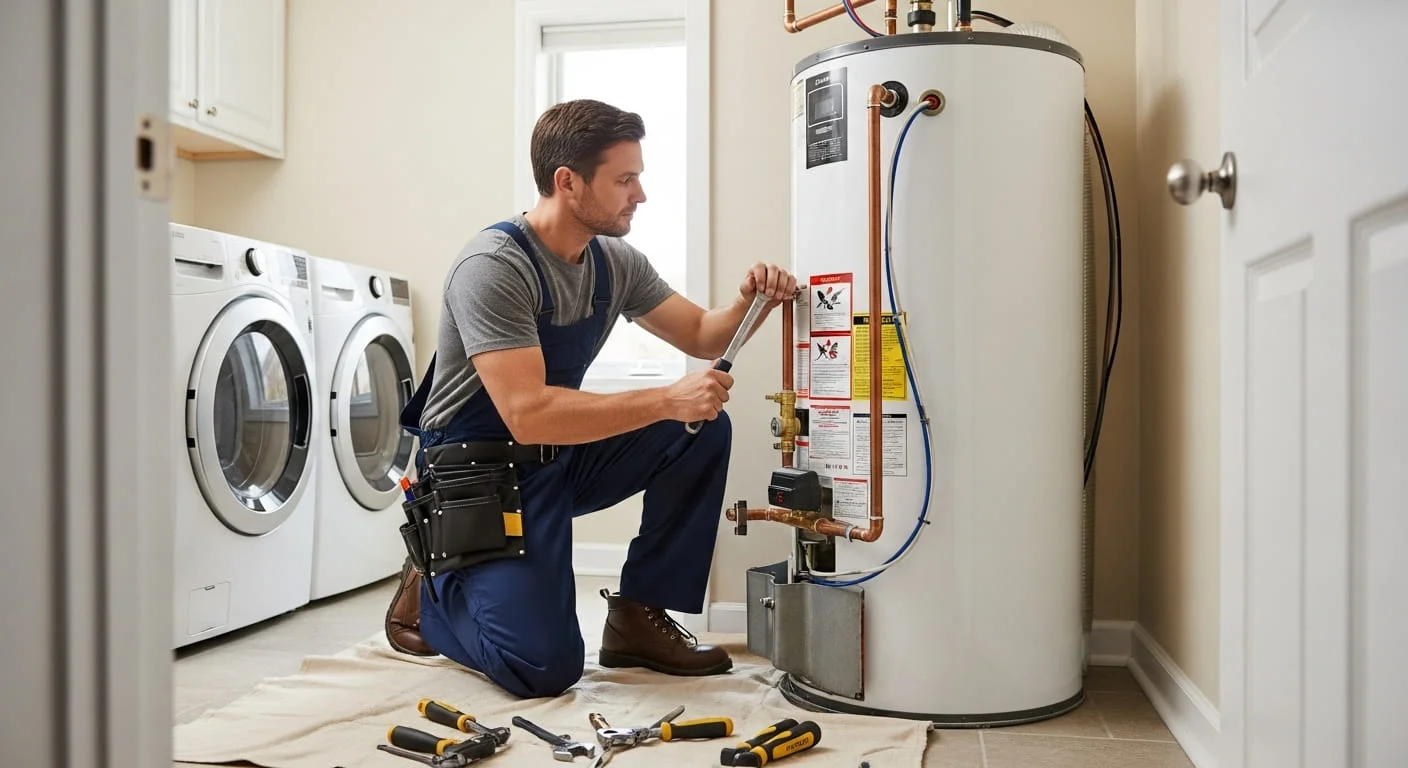
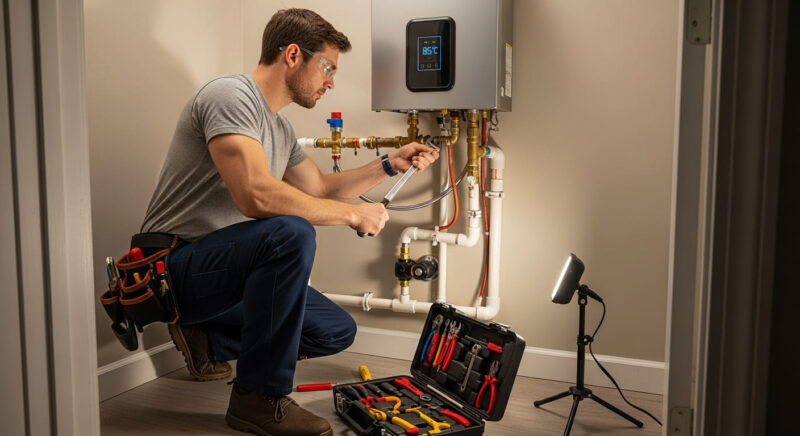
During a service, the technician will flush the tank, inspect the anode rod, and test the pressure-relief valve. For tankless units, the focus is on descaling the heat-exchanger and checking the flow sensor. Skipping these steps leads to reduced efficiency and premature failure.
- Flush the tank: remove sediment that reduces heating efficiency.
- Inspect the anode rod: replace if it’s heavily corroded.
- Test pressure-relief valve: ensure it opens at 6 bar.
- Descale tankless units: use a citric-acid solution every 12-18 months.
Emergency Hot Water Service – What to Do When It Fails
If you wake up to a cold shower, the first step is to check the power or gas supply. A tripped breaker or a shut-off gas valve is the most common cause of a sudden outage. Once you’ve confirmed the supply is on, look for error codes on the digital display – most modern units flash a pattern that points to the fault.
When you can’t fix it yourself, call an emergency hot water service in Doncaster — Look for a provider that offers a 24/7 call-out and can get to your address within an hour — Having your model number and a brief symptom list ready speeds up the diagnosis.
- Check breaker or gas valve first.
- Note any error codes and model details.
- Call a 24/7 service with a clear description.
- Keep a backup kettle or immersion heater for immediate hot water.
System Type Comparison
| System | Typical Recovery Time | Energy Source | Best Fit |
| Storage Tank (Gas) | 30-45 min for 150 L | Natural gas | Large families, existing gas line |
| Continuous-Flow (Electric) | Instant | Electricity | Townhouses, limited space |
| Heat-Pump | 15-20 min for 150 L | Electricity (COP ≈ 3.5) | Eco-conscious homes, good insulation |
| Solar-Assisted | Depends on solar input | Solar + backup (gas or electric) | North-facing roofs, sunny suburbs |
Smart Integration and Energy Savings
Modern hot water services can talk to your smart home hub. a Wi-Fi thermostat lets you set schedules monitor usage and receive alerts if the temperature drifts out of range . in Doncaster where evenings can be cooler you can program the heater to warm up just before the household peaks shaving off idle energy use.
Some models also support remote lockout, which is handy for renters who don’t want guests fiddling with the temperature. Pairing a heat-pump with a solar PV array can push self-consumption above 80 %, especially when you use a battery storage system.
- Wi-Fi thermostat: set timers view real-time temperature.
- Remote lockout: prevent unauthorized changes.
- Integration with solar PV: maximize renewable use.
- Battery storage: smooth out peak demand.
Case Study: Restoring Hot Water for a Doncaster Family
A four-person household in the heart of Doncaster experienced a sudden loss of hot water during a cold snap. You know? the old 12-year-old gas storage tank had developed rust inside and the pressure-relief valve was stuck. After a quick visual inspection the plumber recommended a complete replacement with a solar-assisted heat-pump system.
The installation took two days. First, the old tank was removed and the roof was fitted with a 2-panel solar thermal array facing north. An outdoor heat-pump unit was mounted on the side of the house, with a new insulated storage tank placed in the loft — The system was linked to a smart thermostat that the family could control from their phones.
Within a week, the family reported consistent 55 °C showers, a noticeable drop in their electricity bill, & quieter operation compared to the old gas heater. The solar-assisted setup now supplies about 60 % of their hot-water demand, with the heat-pump handling the peak loads. You know? the homeowner praised the fast response time of the emergency service & the seamless transition to a greener solution.
Conclusion
Keeping your hot water service in top shape is a mix of choosing the right technology, installing it correctly for Doncaster’s unique conditions, and staying on top of maintenance — You know? whether you go for a classic gas tank, a sleek continuous-flow unit, or a solar-assisted heat-pump, the key is to match the system to your household’s size, roof orientation, & energy goals.
When trouble strikes, a quick supply check, noting error codes, and calling a 24/7 local service will get you back to warm showers fast. Regular flushing, anode-rod checks, and smart-home monitoring will extend the life of any hot water service and keep energy use down. With the right approach, you’ll enjoy reliable hot water all year round, no matter what Doncaster’s weather throws at you.