


Introduction
Building durable infrastructure requires more than quality concrete, steel and aggregates. Ground stability also plays a major role in determining how well a construction project performs over time. From residential driveways to commercial developments and major roadworks, reinforcing the ground can help improve structural performance and reduce maintenance concerns.
Geogrids have become a valuable material in modern civil engineering because they help reinforce soil and distribute loads more effectively. For builders, contractors, engineers and landscaping professionals, finding reliable geogrids suppliers Melbourne is an important step towards selecting suitable materials for different site conditions.
Understanding how geogrids work, where they are used and what to consider when purchasing them can help project teams make informed decisions.
What Are Geogrids and How Do They Work?
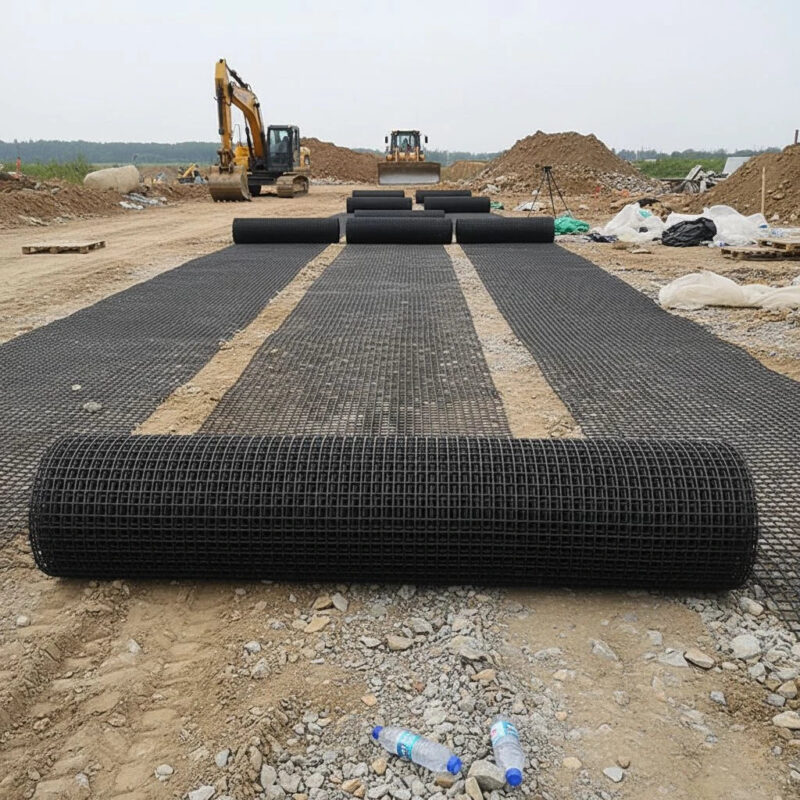
Geogrids are open-grid geosynthetic materials manufactured from polymers or other suitable materials, depending on their intended application. Their grid-like structure allows soil or aggregate particles to interact with the openings, helping create a reinforced layer when the product is correctly selected and installed.
Unlike conventional construction materials that mainly provide mass or surface coverage, geogrids are designed to offer tensile reinforcement. This can improve the stability of selected soil structures and help distribute applied loads across a wider area.
Different geogrids are developed for specific engineering requirements. Some are suited to reinforcing retaining walls and steep slopes, while others are designed for road construction, pavement rehabilitation and ground stabilisation.
Choosing the correct product depends on factors such as soil characteristics, loading conditions, design requirements and the expected service life of the structure.
Common Applications of Geogrids in Melbourne
Melbourne’s growing residential, commercial and transport infrastructure creates demand for construction materials that support reliable ground performance. Geogrids can be used in several applications when supported by appropriate engineering design.
- Road Construction and Pavement Stabilisation
Roads and accessways are regularly exposed to vehicle loads, changing weather conditions and repeated traffic movements. When the underlying soil is weak, the pavement may experience rutting, uneven settlement or premature deterioration.
Geogrids can help reinforce selected pavement layers by improving interaction between the grid and surrounding aggregate. Depending on the design, this may improve load distribution and help reduce maintenance requirements.
They are used in suitable applications involving local roads, construction accessways, industrial yards, car parks and other trafficked surfaces.
- Retaining Walls and Slope Reinforcement
Retaining walls and sloping landscapes must resist forces that can cause soil movement. Geogrids may be incorporated into reinforced soil structures to improve stability and support the design requirements of the wall or slope.
For landscaping projects, residential developments and commercial sites, the appropriate reinforcement system can help manage challenging ground conditions.
However, successful installation requires consideration of wall height, soil properties, drainage, loading and relevant engineering specifications.
- Commercial and Industrial Developments
Commercial buildings, warehouses and industrial facilities often require stable working platforms for construction equipment, storage areas and vehicle movements.
Where ground conditions present challenges, engineered geogrid reinforcement may help improve the performance of selected foundation or pavement layers.
The final solution should be based on site investigations and the loads the completed structure is expected to carry.
- Infrastructure and Access Roads
Construction access roads, service corridors and infrastructure projects can involve soft soils or areas with inconsistent ground conditions. Geogrids may help strengthen suitable aggregate layers and improve construction efficiency.
Their effectiveness depends on the selected product, installation method and overall ground design rather than the material alone.
Benefits of Choosing Quality Geogrid Products
Selecting an appropriate reinforcement material can offer several practical advantages for construction projects.
Improved ground stability: Geogrids can help reinforce soil and aggregate layers, supporting more stable construction surfaces when correctly designed.
Potential material savings: Certain engineered designs may allow more efficient use of aggregate materials. Any reduction in material quantities should be established through project-specific calculations.
Long-term performance: When the product suits the application and is installed correctly, geogrid reinforcement can contribute to reliable infrastructure performance.
Versatile applications: Different geogrid types can support roadworks, retaining walls, slopes, working platforms and other civil engineering applications.
Construction efficiency: A suitable reinforcement system may help improve construction planning and reduce difficulties associated with unsuitable ground conditions.
These benefits depend on appropriate design, product quality, installation practices and site conditions.
How to Choose the Right Geogrid Supplier
Finding suitable geogrids suppliers Melbourne involves more than comparing product prices. Buyers should consider whether the supplier can provide the technical information and product options required for their project.
Assess Product Range and Specifications
Look for suppliers offering geogrids suited to your intended application. Review available product specifications, tensile properties, material composition, durability information and installation guidance.
A product designed for retaining walls may not be appropriate for every pavement or ground reinforcement project.
Look for Technical Support
Access to knowledgeable product support can make material selection easier. A supplier who understands civil construction applications may help you identify suitable products and explain the information required by your project engineer.
For complex projects, the supplier’s advice should complement, rather than replace, professional engineering design.
Consider Availability and Delivery
Construction schedules often depend on materials arriving when required. Confirm stock availability, delivery options, minimum order quantities and lead times before finalising your purchase.
For projects across metropolitan Melbourne and regional Victoria, reliable logistics can help contractors plan labour and equipment more effectively.
Compare Overall Value
The lowest purchase price does not always represent the best value. Consider product suitability, expected performance, delivery costs, technical documentation and installation requirements when evaluating different options.
Why Geogrids Matter for Sustainable Construction
Construction projects increasingly seek ways to use resources efficiently while maintaining suitable performance standards. In some applications, geogrid reinforcement can help reduce the quantity of aggregate needed in an engineered pavement or working platform.
Using fewer materials may reduce transport requirements and associated environmental impacts. However, these outcomes depend on the design, material sources, construction methods and project conditions.
Selecting durable products and following the specified installation procedures can also help avoid unnecessary repairs and material replacement.
Conclusion
Geogrids offer practical reinforcement solutions for a wide range of civil engineering, road construction, landscaping and infrastructure applications. When correctly selected and installed, they can help improve ground stability, support load distribution and contribute to the long-term performance of suitable structures.
For contractors, engineers and builders, choosing experienced geogrids suppliers Melbourne can make it easier to access appropriate products, technical information and dependable delivery options. By assessing site conditions, reviewing specifications and consulting qualified professionals, project teams can make informed decisions that support safer, more efficient and durable construction outcomes.